Enhancing Quality of Life Through Light
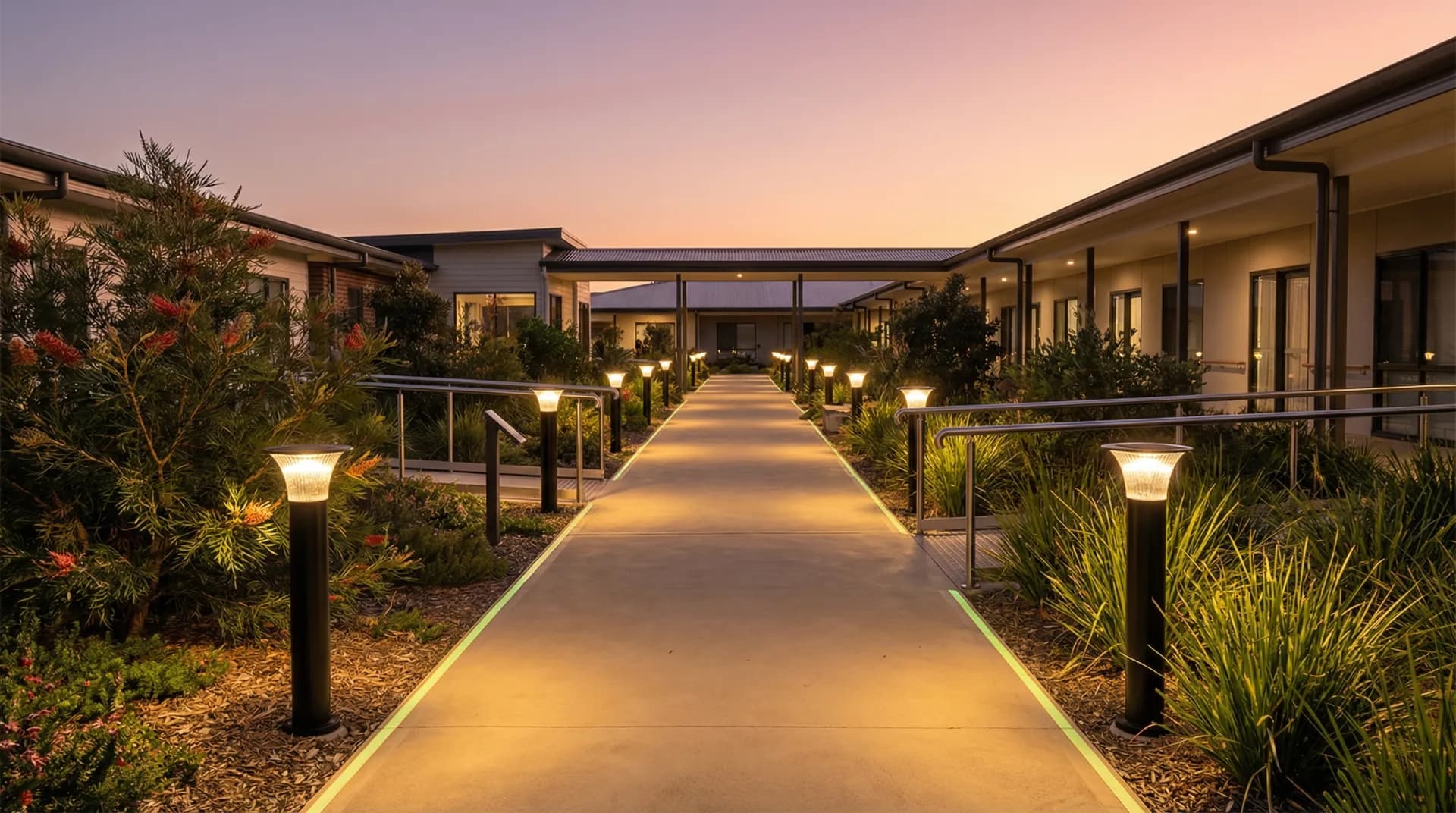
Well-designed outdoor lighting transforms aged care facilities. Residents can enjoy sensory gardens into the evening, families can visit during twilight hours, and outdoor areas become usable year-round. The benefits extend beyond simple illumination.
Research from ARIIA and Alzheimer's WA highlights how appropriate lighting supports circadian rhythms and sleep quality, particularly for residents with dementia. Warm colour temperatures (3000K) in the evening create comfortable spaces that support natural rest patterns.
For facility managers, modern solar lighting offers a practical solution. Installation is quick and non-disruptive — no excavation, no loud machinery, and often completed quickly while preserving established gardens.
Key Benefits for Aged Care
Quality lighting improves daily life for residents, families, and staff:
Extended Garden Enjoyment
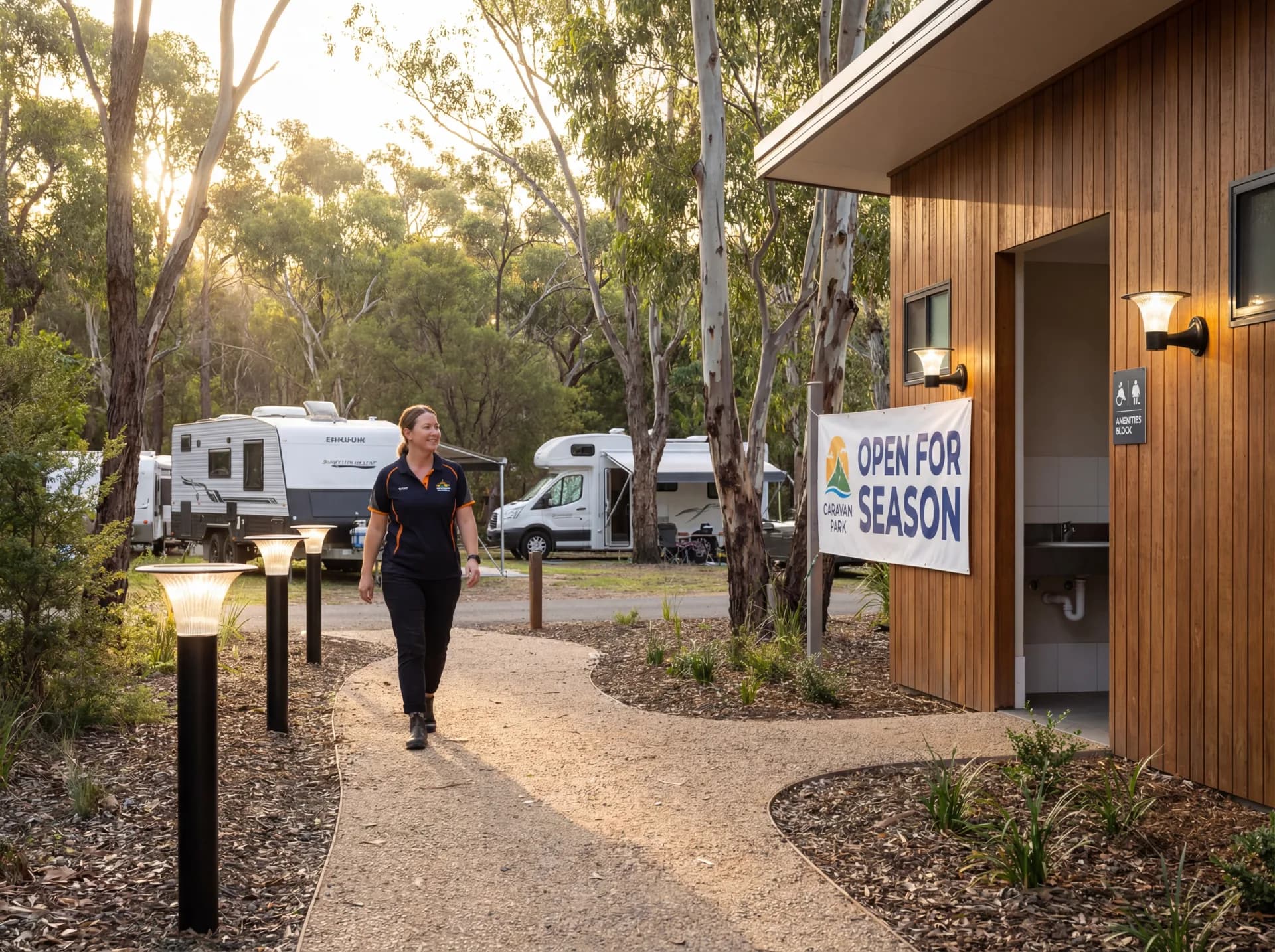
Solar pathway lighting allows residents to enjoy sensory gardens and outdoor courtyards into the evening hours, improving quality of life and wellbeing.
Resident Independence
Well-lit pathways help residents navigate confidently between buildings, dining areas, and outdoor spaces without assistance.
Emergency Wayfinding
Photoluminescent markers on indoor steps and corridors provide visible guidance during power outages, supporting safe evacuation.
Circadian Support
Warm colour temperature lighting (3000K) in the evening supports natural sleep patterns and resident comfort.
Simple, Non-Disruptive Installation
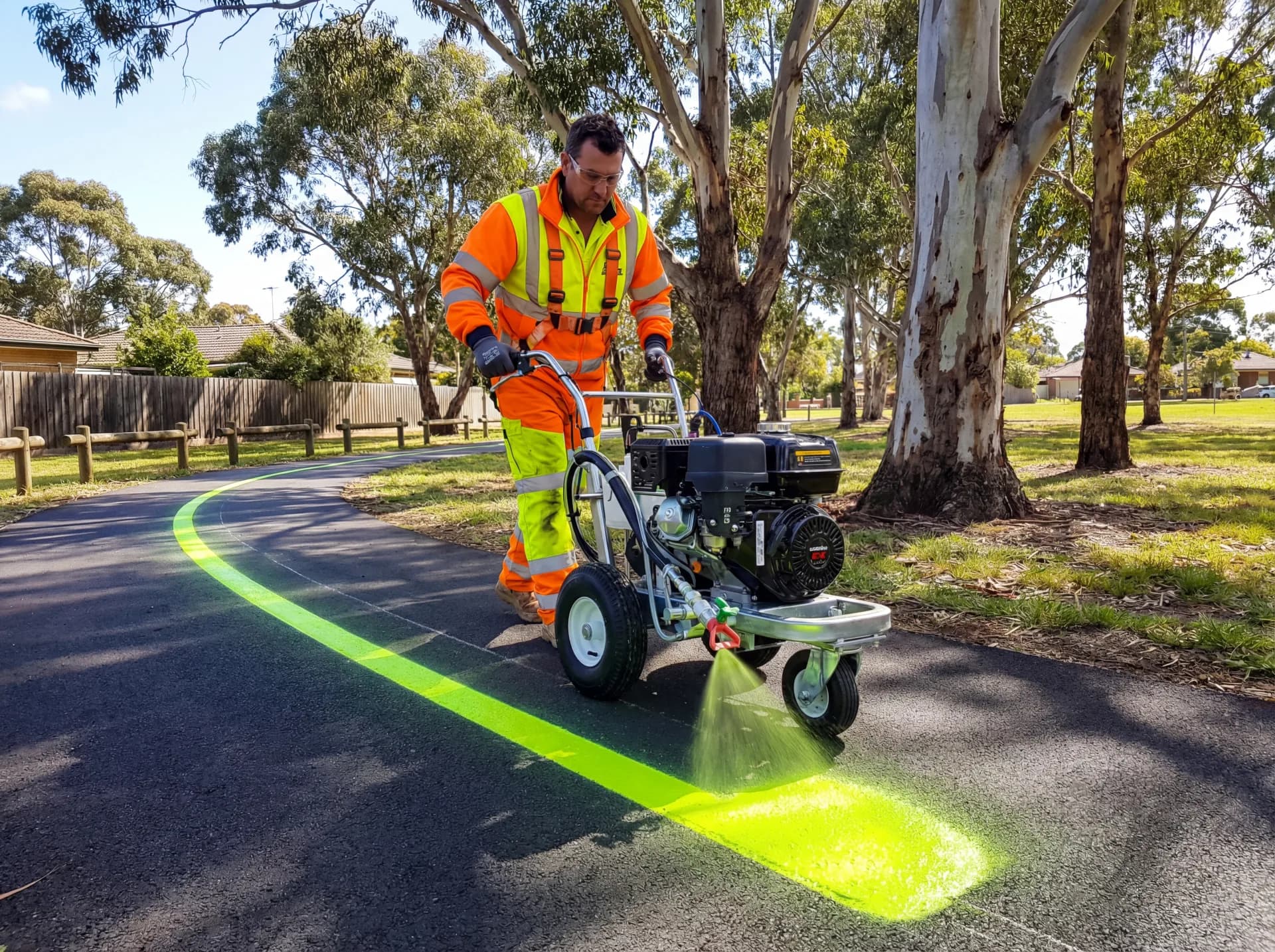
Solar lighting is ideal for aged care environments because it installs quickly and quietly. No trenching means established gardens stay intact:
- Quiet installation — handheld drill only, no excavators or loud machinery
- Preserve sensory gardens — bolt-down or stake installation protects established plantings
- Budget-friendly — no electrical infrastructure or ongoing energy costs
- Maintenance staff can install — no specialist contractors required
Why Solar Is the "Silent Upgrade"
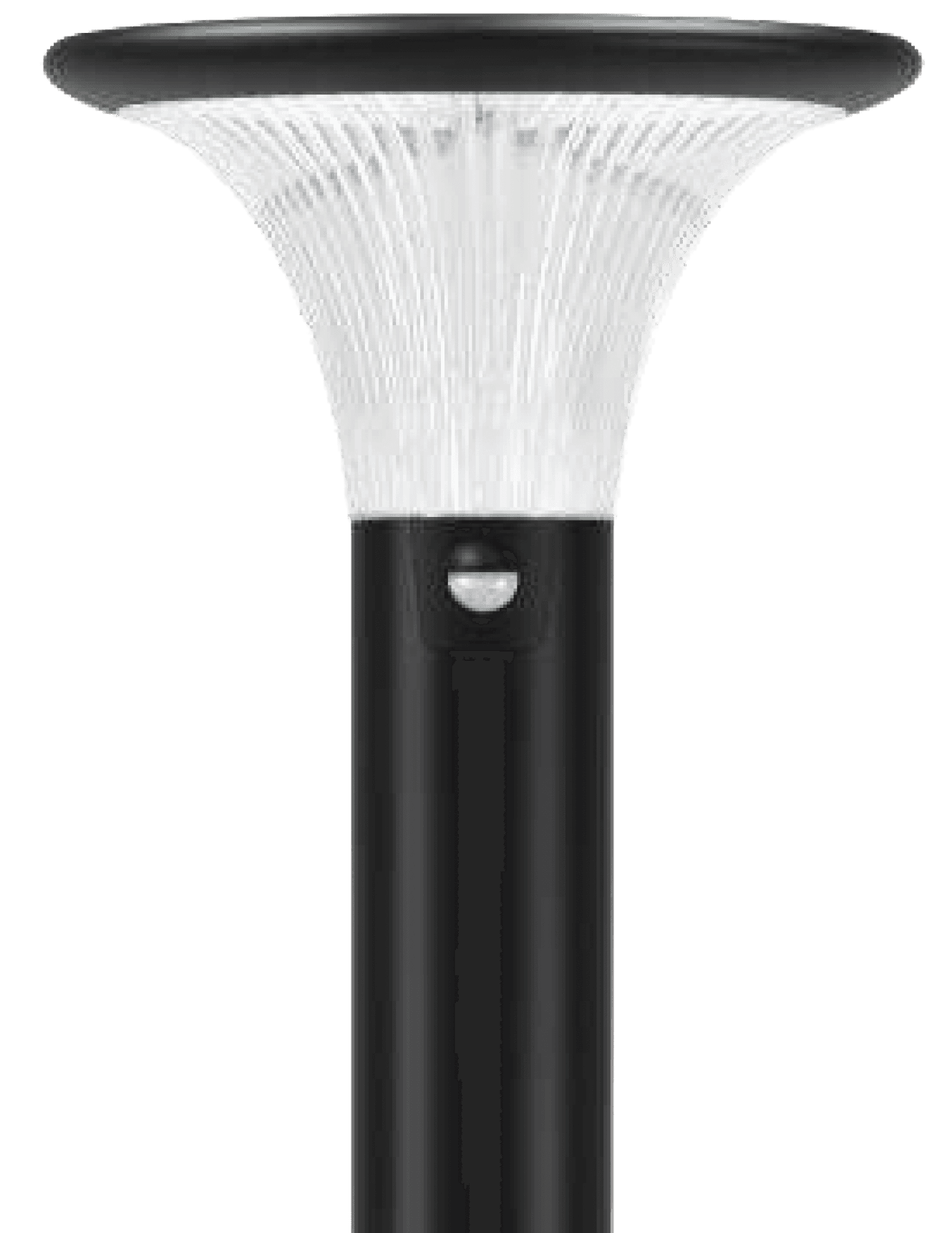
Solar bollards can be installed by maintenance staff with a handheld drill. No excavators, no loud machinery. An entire courtyard can be upgraded in a morning.
Clear Navigation
Adequate lighting helps residents identify path edges, steps, and destinations. High contrast lighting supports confident movement throughout the facility.
Circadian Support
3000K warm white options reduce blue light exposure at night, supporting natural sleep patterns and resident comfort throughout the evening.
Quality of Life
Well-lit outdoor spaces allow residents to enjoy gardens and courtyards in the evening. Independence and outdoor access improve wellbeing and happiness.
Emergency Ready
Photoluminescent markers provide visible wayfinding during power outages, supporting safe evacuation and giving peace of mind to staff and families.
Aged Care Lighting Checklist
Based on research from ARIIA, Alzheimer's WA, and the Journal of Applied Gerontology:
Pathway Lighting
- Illuminated paths from rooms to dining areas
- Well-lit transitions between indoor and outdoor spaces
- Consistent lighting levels (no sudden dark spots)
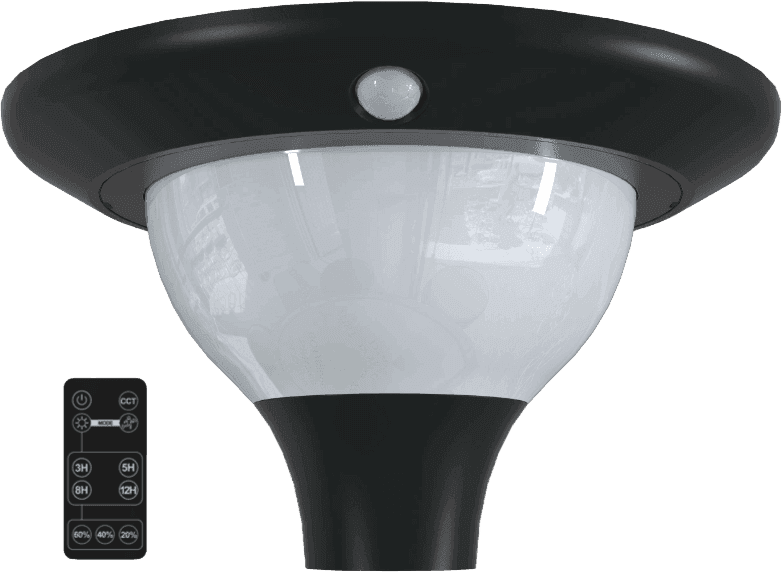
- Solar bollards for garden walkways
- Path markers for edge definition
Night-Time Safety
- Low-level night lighting in corridors
- Motion-activated bathroom lighting
- Warm colour temperature (3000K) after dusk
- Gradual dimming rather than sudden darkness
- Emergency backup lighting for power outages
Dementia-Friendly Design
- High contrast between floor and walls
- Consistent lighting to reduce confusion
- Avoid glare and reflective surfaces
- Visual cues at doorways and transitions
- Circadian-supportive lighting schedules
Outdoor Areas
- Sensory garden path illumination
- Seating area lighting for evening use
- Steps and ramps clearly lit
- Entry and exit points well-illuminated
- Solar options to avoid cable trip hazards