Well-Lit Car Parks Build Customer Confidence
Quality lighting transforms a car park from a utilitarian space into one that signals professionalism and care. Customers feel more comfortable returning to well-lit properties, especially after dark.
The Australian Institute of Criminology's research on Crime Prevention Through Environmental Design (CPTED) identifies lighting as a key element of creating welcoming, well-managed spaces. Proper illumination signals active property management.
For commercial property owners, the challenge is balancing lighting improvements against operational disruption and cost. Traditional electrical lighting retrofits can shut down portions of a car park for weeks.
The Traditional Retrofit Challenge
Trenching Disruption
Digging up asphalt or concrete to lay cables disrupts business operations and parking availability for weeks.
Capital Costs
Electrical infrastructure can be a major cost once trenching, materials, and reinstatement are included.
Council Approvals
Electrical work often requires development applications, engineering certification, and compliance inspections.
Ongoing Costs
Metered electricity, maintenance contracts, and globe replacements add up to thousands annually.
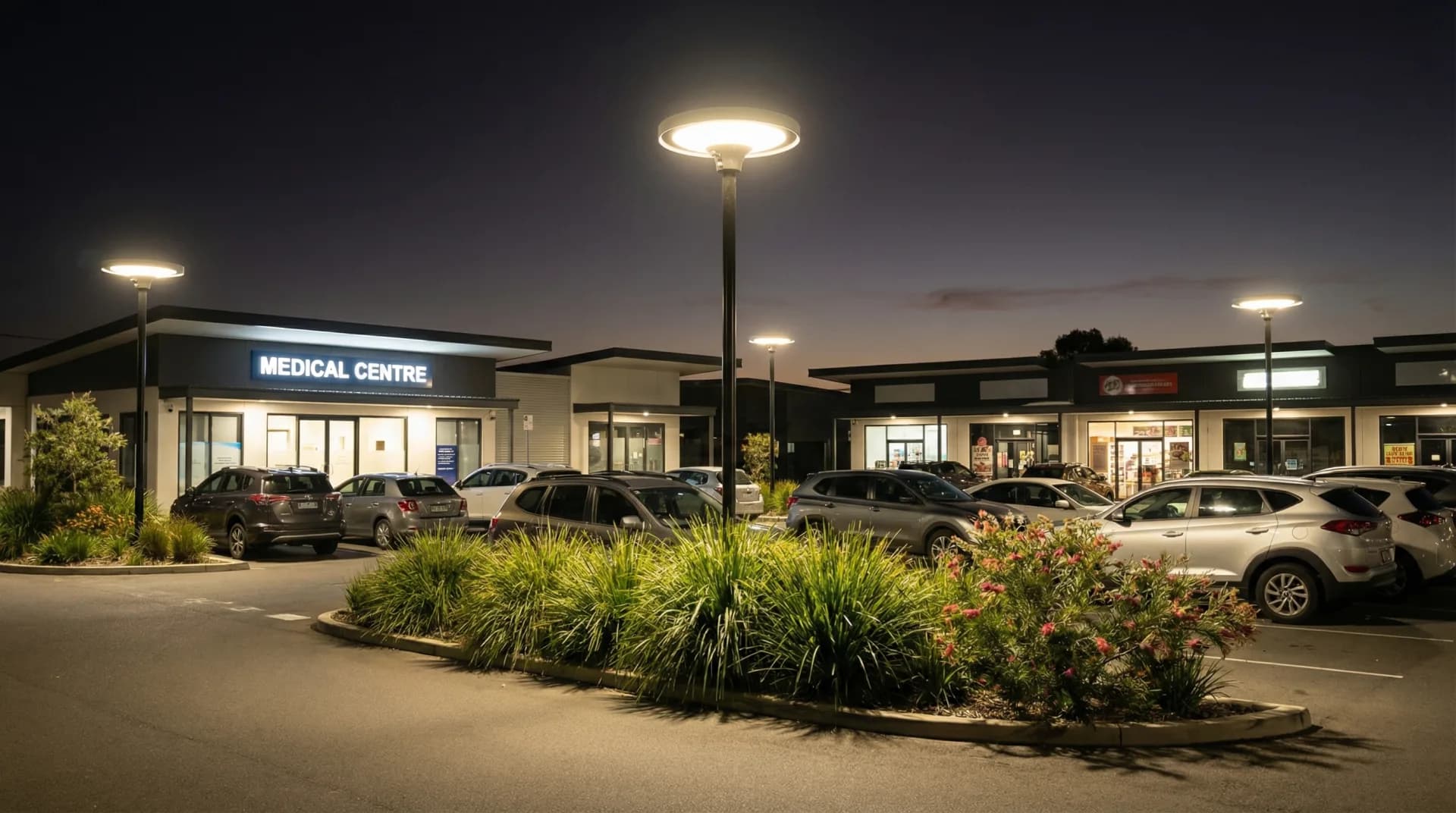
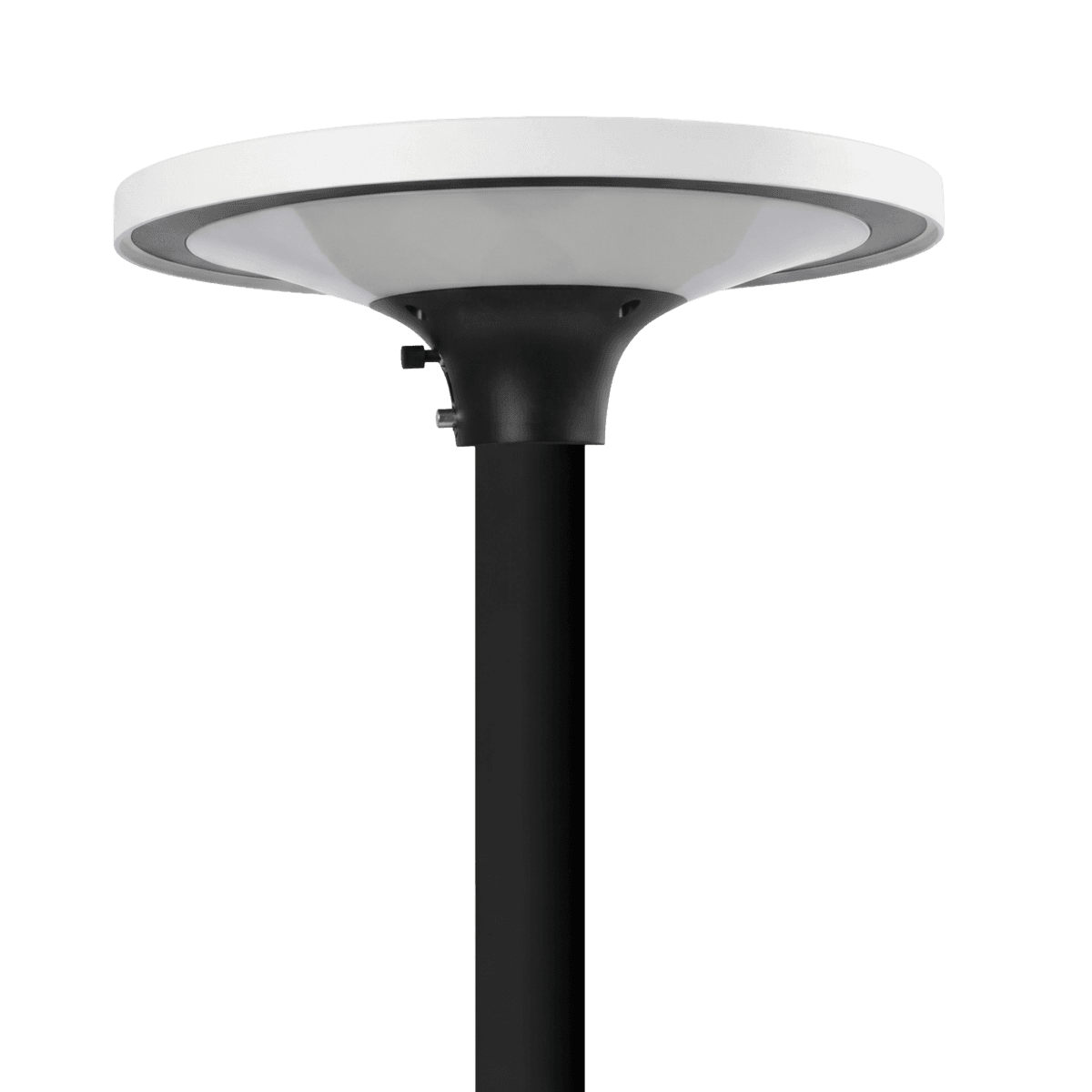
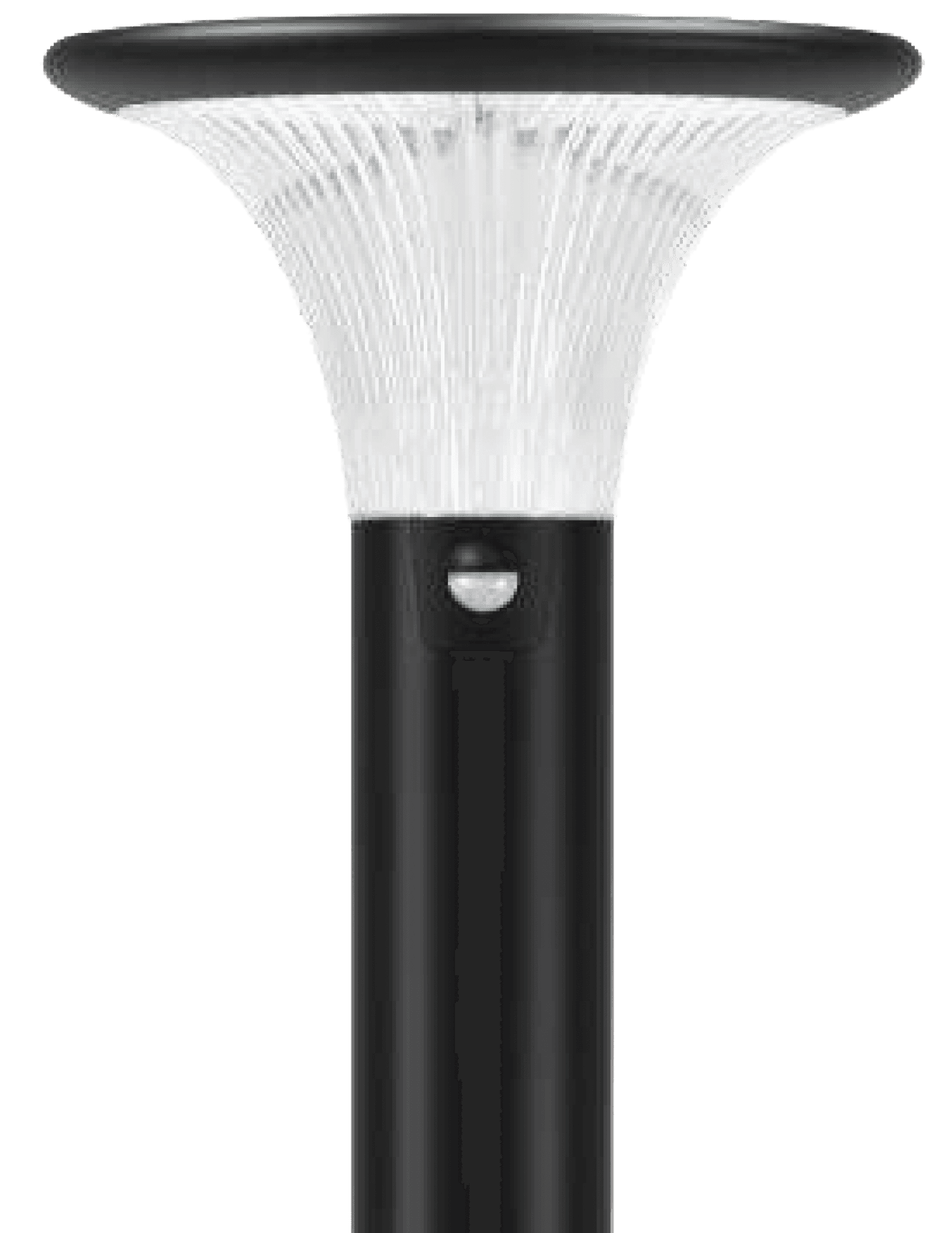
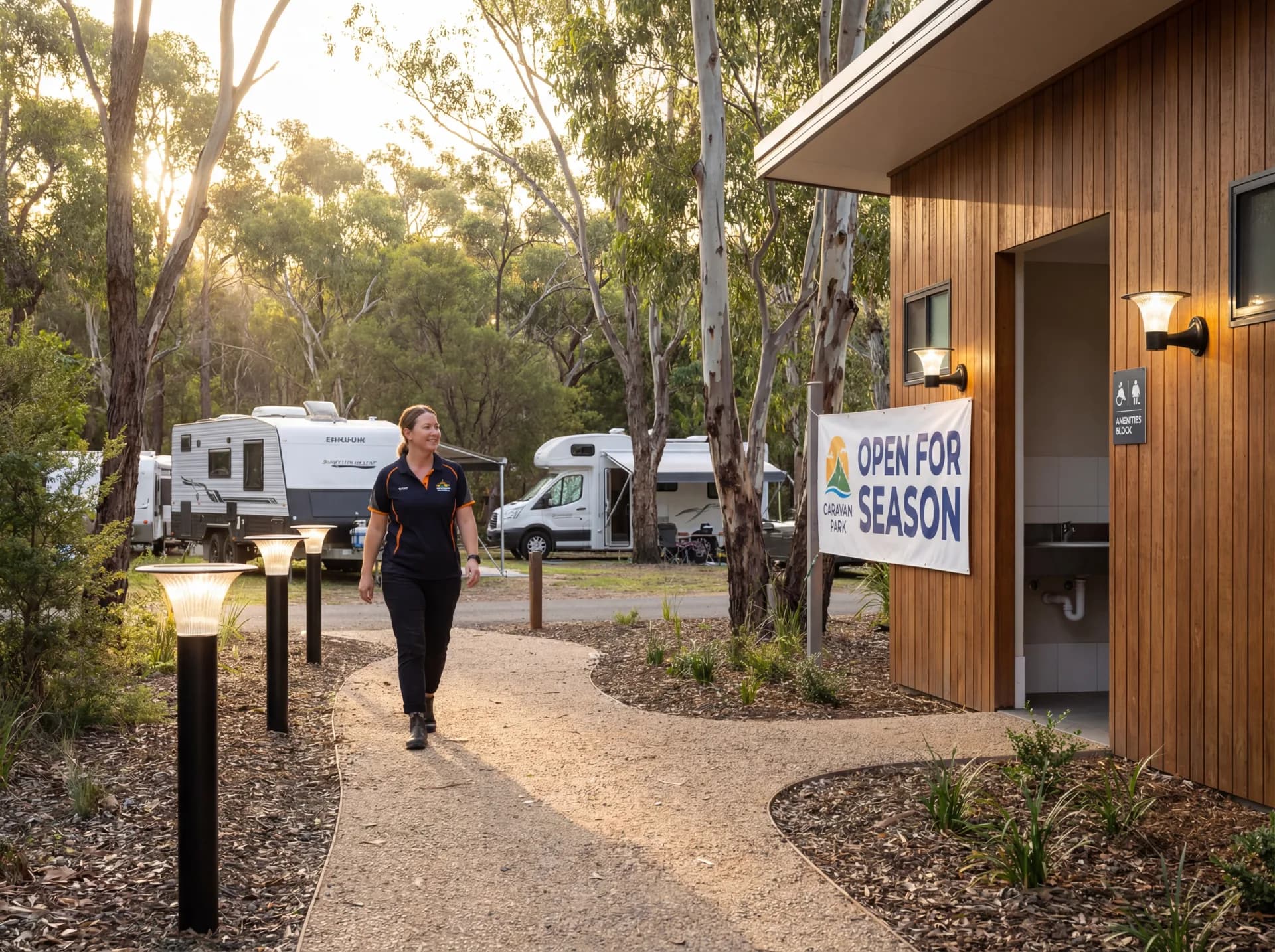
Solar area lights mount on existing infrastructure — no trenching required
Why Solar Works for Car Parks
Install in Days, Not Months
Solar area lights mount on existing poles or new ground-spike poles without trenching. Installation time depends on site access and layout.
Zero Electricity Costs
Solar panels charge batteries during the day, providing free illumination all night. No metered electricity, no bill increases.
Crime Deterrent
Well-lit car parks deter opportunistic theft and break-ins. Visible lighting signals an actively managed property.
Liability Protection
Adequate lighting helps demonstrate duty of care. Dark car parks expose property owners to negligence claims for incidents.
Car Park Lighting Guide (AS/NZS 1158)
AS/NZS 1158 provides guidance for road and public space lighting. While specific requirements vary by jurisdiction, these are typical recommendations:
| Area | Lux Level | Recommendation |
|---|---|---|
| Entry/Exit Points | 20-50 lux | Higher visibility for vehicles and pedestrians entering/exiting. |
| Driving Lanes | 10-20 lux | Typical guidance for safe vehicle navigation and uniformity. |
| Parking Bays | 5-10 lux | Typical guidance for pedestrian safety in bays. |
| Pedestrian Paths | 10-20 lux | Typical guidance for safe navigation and trip hazards. |
| Stairwells/Ramps | 50-100 lux | Higher levels are often used for steps and ramps. |