Storm Season
Zero electricity costs, even in emergenciesDon't get caught in the darkBe prepared
Back to Blog
Education Safety
20 January 20267 min read

Education Campus Lighting Guide

Solar lighting extends campus usability into evening hours, supports after-hours study, and creates welcoming spaces. Quick installation without disruption to heritage landscapes.

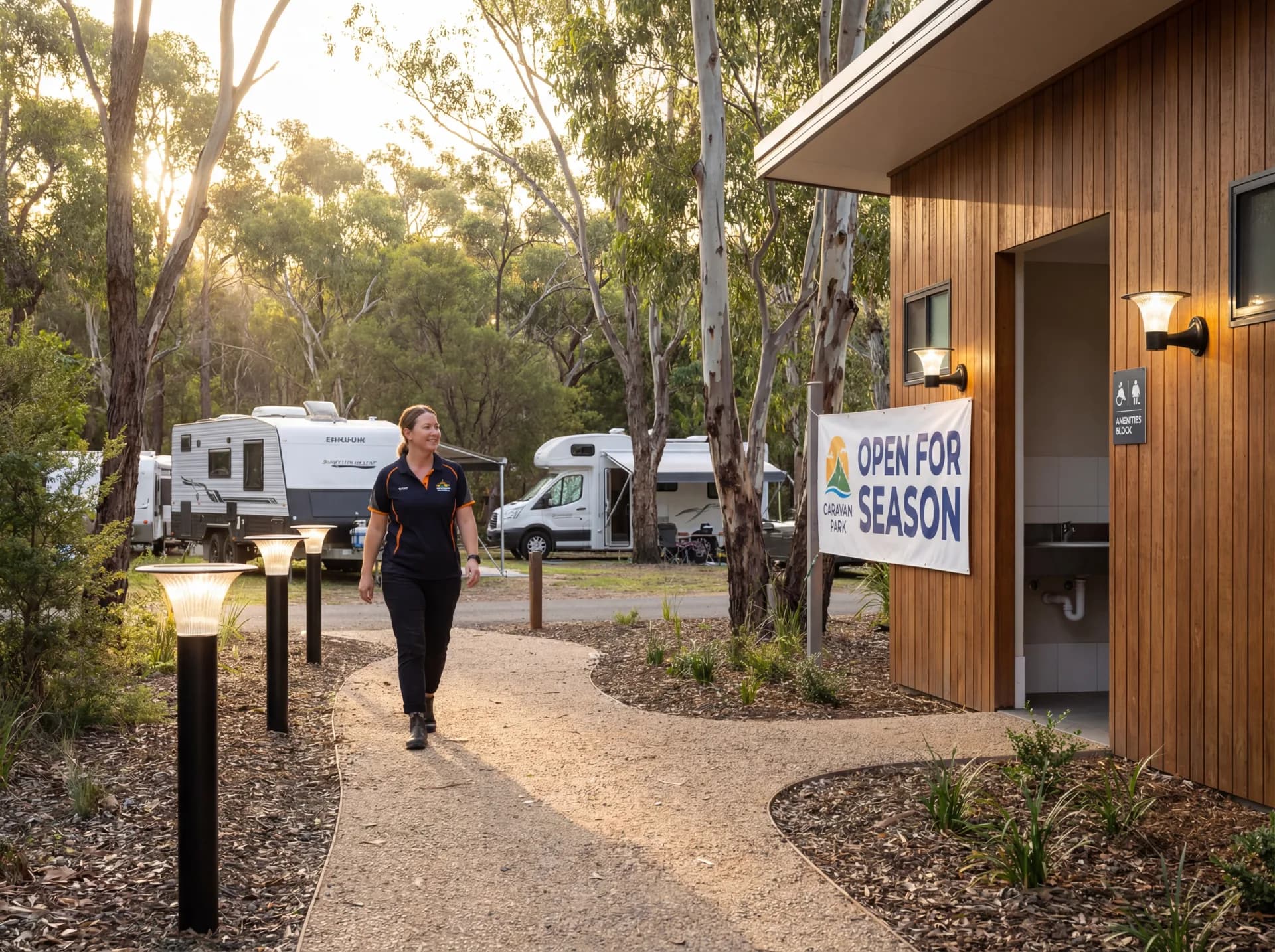
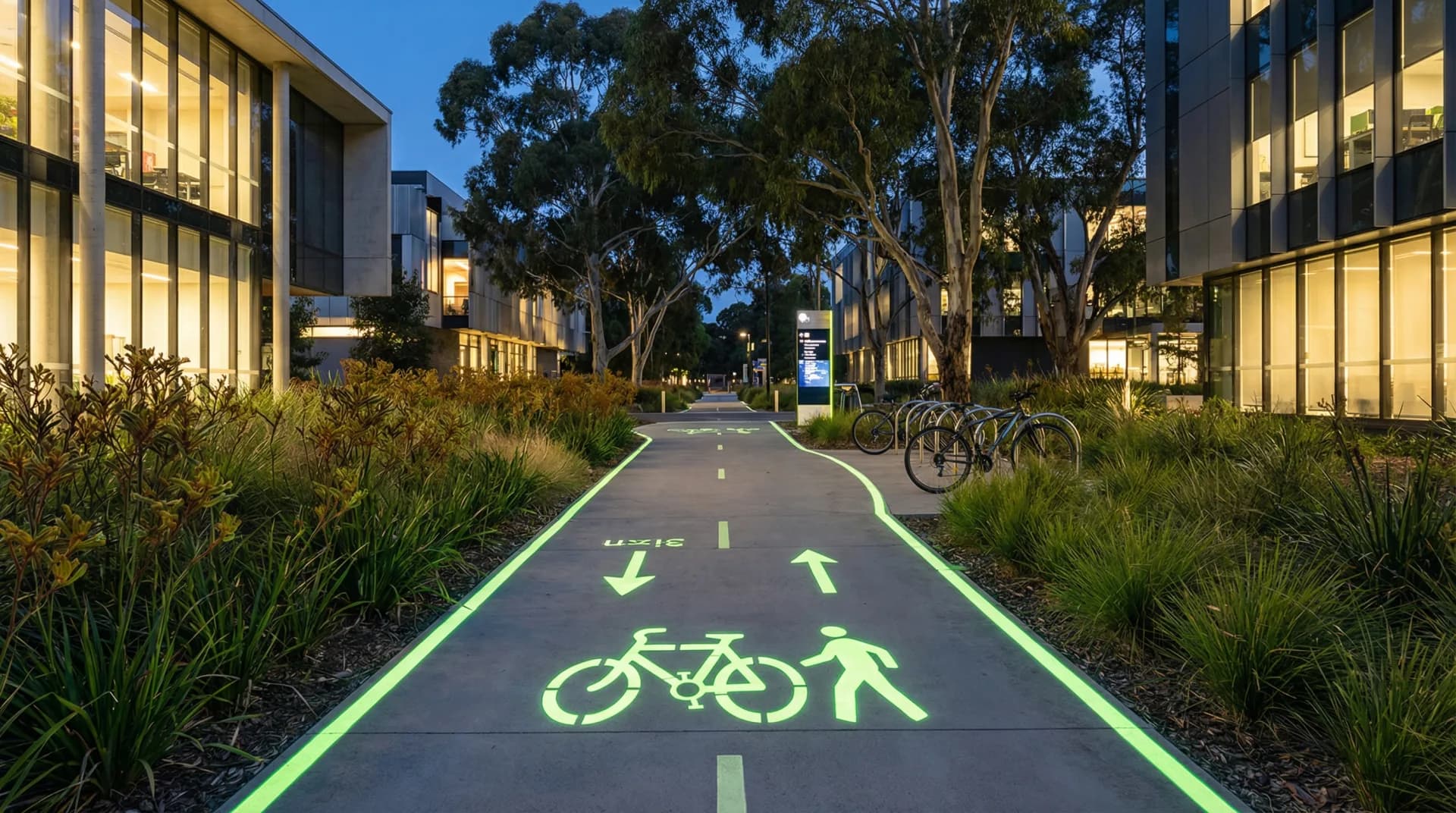
University campus walkway with solar bollard lights providing safe illumination at night

Well-lit pathways create safer campuses and encourage after-hours use of facilities

Extending Campus Life Into Evening

Australian universities and TAFEs serve thousands of students who study, work, and socialise across sprawling campuses. Many classes run into evening hours. Libraries stay open late during exam periods. Student events and activities continue after sunset.

Well-designed outdoor lighting transforms how campuses function after dark. Students can enjoy evening study sessions outdoors, walk confidently between buildings and transport, and make full use of campus facilities year-round. Quality lighting creates welcoming spaces that encourage activity and community.

How Lighting Enhances Campus Life

Extended library and study hours
Students can study outdoors and walk to late-night study sessions
Evening events and activities
Well-lit outdoor spaces support clubs, sports, and social gatherings
Year-round outdoor spaces
Campus gardens and courtyards usable during shorter winter days
Confident navigation
Clear pathways between buildings, transport, and accommodation

CPTED Principles for Education

Crime Prevention Through Environmental Design (CPTED) is an evidence-based approach that Australian police and planners recommend for educational facilities. Lighting is a core element, working alongside natural surveillance, access control, and territorial reinforcement.

Natural Surveillance

Lighting makes people and activities visible, allowing witnesses and deterring offenders who prefer to operate unseen

Activity Support

Well-lit areas attract legitimate users—more people means more informal surveillance and safer spaces

Territorial Definition

Lighting defines boundaries between public and private spaces, signalling which areas are monitored

Target Hardening

Illuminated areas reduce hiding spots and escape routes, making potential offences more difficult

Priority Lighting Areas on Campus

Car Parks
  • Entry/exit points
  • Pedestrian routes through
  • CCTV coverage zones
  • Emergency phone locations
Walkways
  • Building-to-building paths
  • Transport connections
  • Isolated shortcuts
  • Steps and ramps
Building Perimeters
  • Main entrances
  • Emergency exits
  • Bike storage areas
  • Waiting/pickup zones
Recreation Areas
  • Sports facilities access
  • Outdoor study spaces
  • Garden paths
  • Smoking areas

Campus Lighting Requirements (AS/NZS 1158.3.1)

Main pedestrian walkways
Primary routes between buildings
Category P
Car park pedestrian areas
Walking paths within parking areas
Category P
Building entrances
Transition zones and access points
Category P
Steps and ramps
Fall hazard areas may require higher levels
Category P
Bicycle parking
Security and access visibility
Category P

Why Solar for Campus Lighting

No Trenching Required

Install in heritage gardens, established landscaping, and remote areas without disturbing infrastructure

Rapid Deployment

Address safety concerns immediately without waiting for electrical contractors and permits

Zero Running Costs

Reduce campus energy budgets while improving safety—sustainability goals aligned with student values

Power Outage Resilience

Lights operate independently during grid failures, maintaining safety during emergencies
6 Steps to Safer Campus Lighting

1
Conduct safety walks with students
Walk the campus at night with student representatives. Document areas that feel unsafe, poorly lit, or isolated.
2
Map incident data
Review security reports to identify locations with reported incidents. Prioritise these areas for lighting upgrades.
3
Assess existing infrastructure
Identify areas where electrical infrastructure is absent or upgrade would be disruptive. Target these for solar.
4
Choose appropriate fixtures
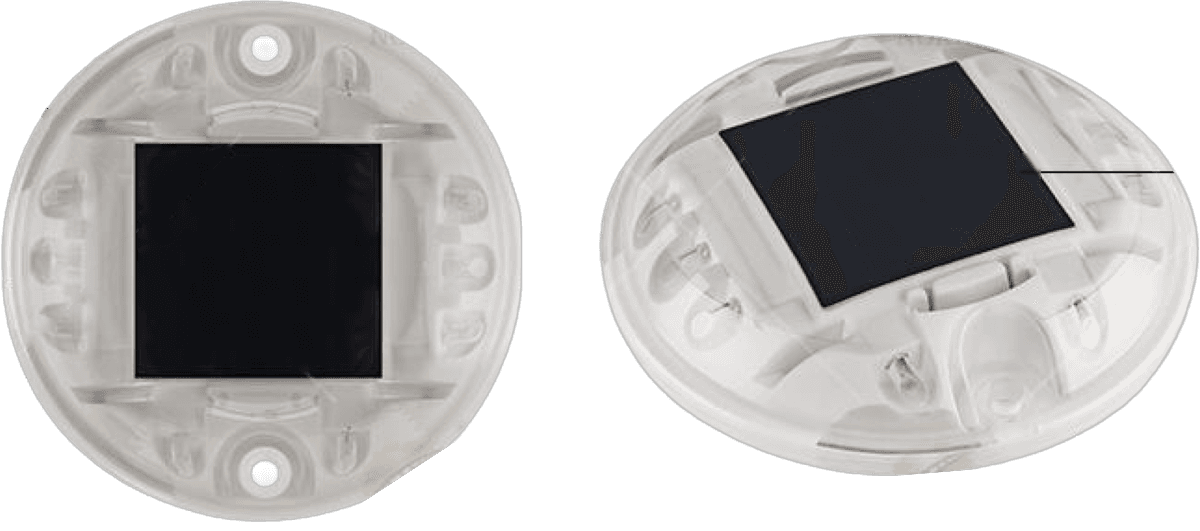
Select bollards for pathways, area lights for car parks, and path markers for guidance based on measured lux targets.
5
Consider photoluminescent markers
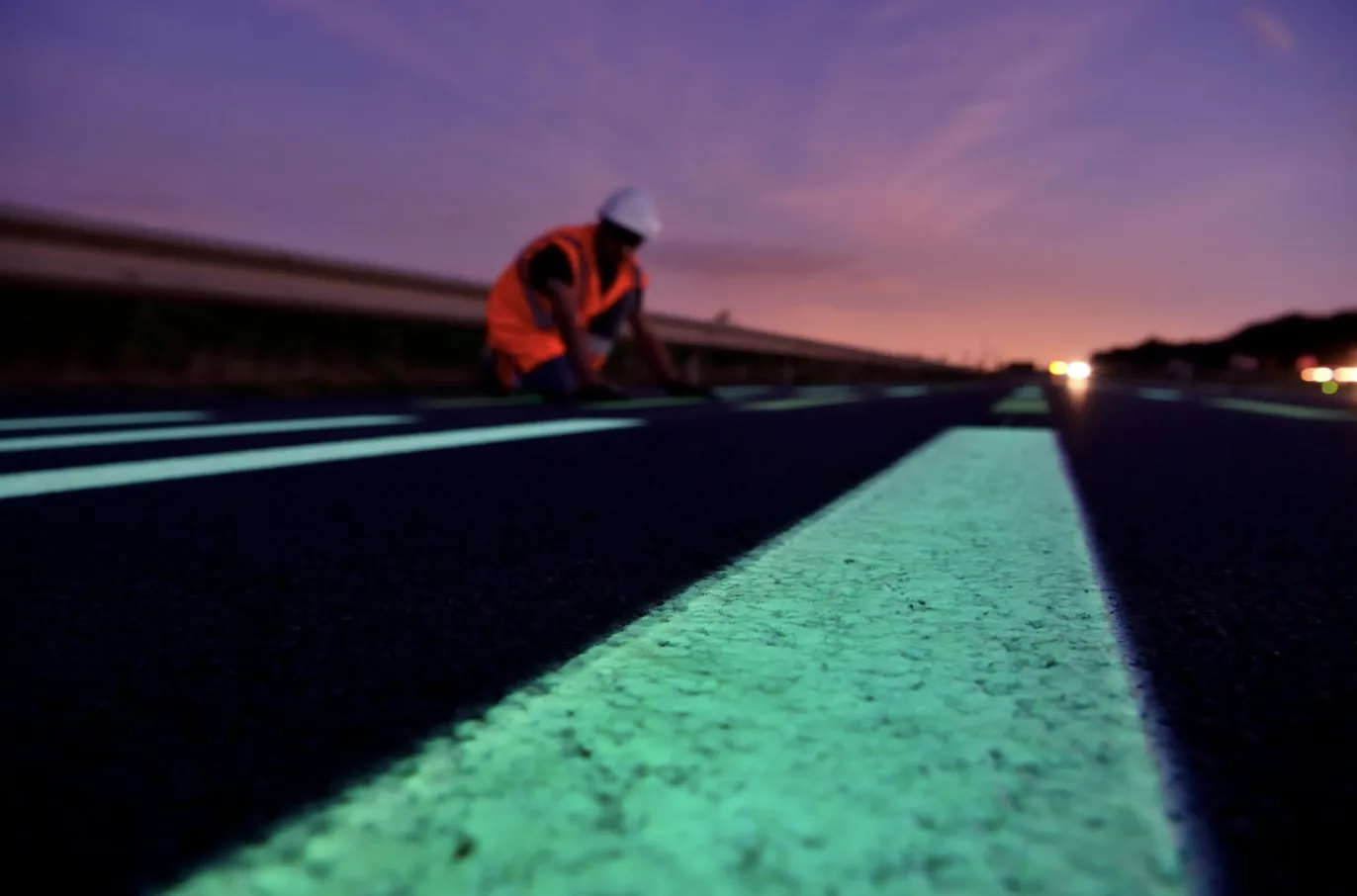
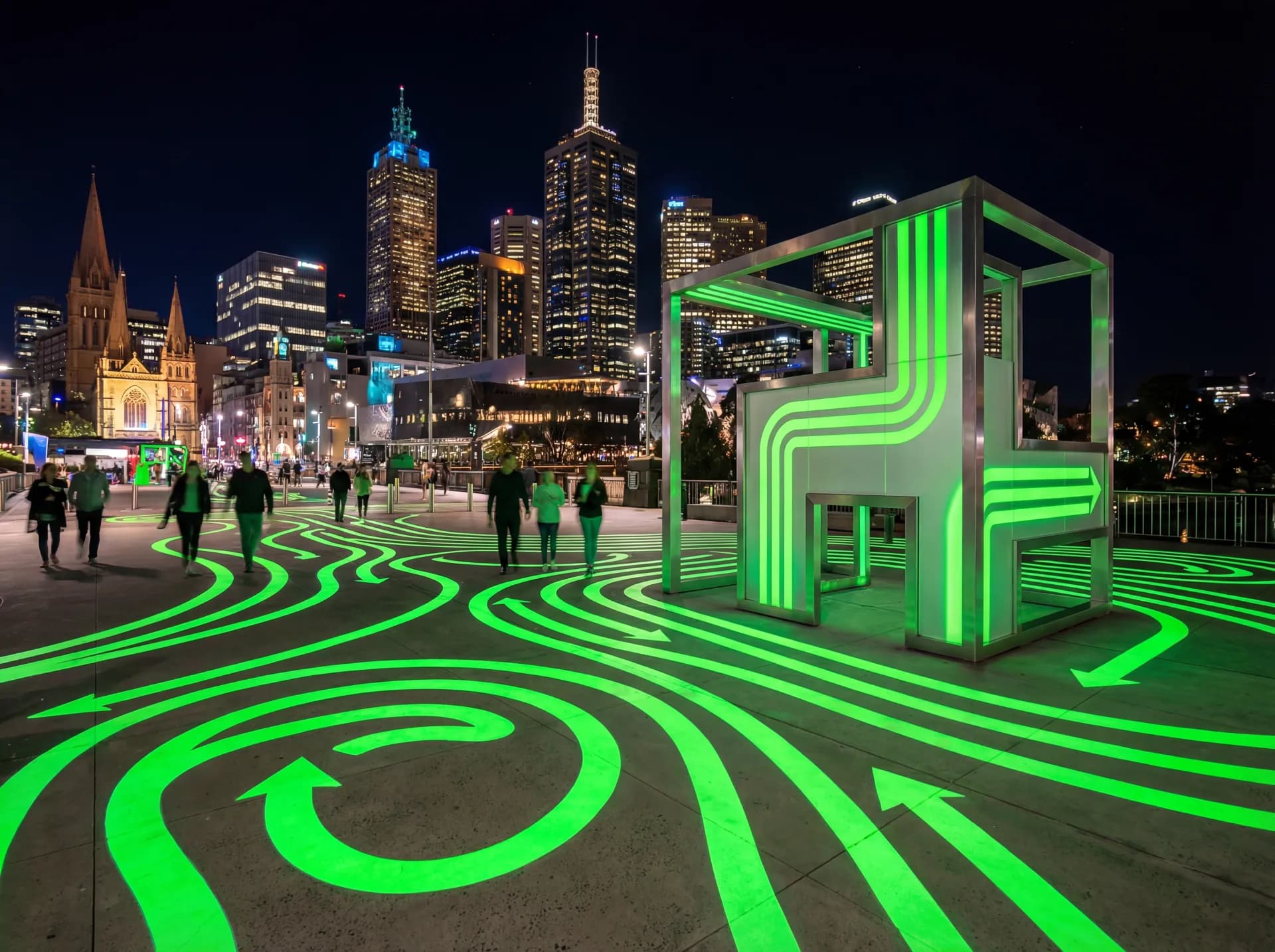
Luminokrom glow-in-dark markers provide passive wayfinding that works even during power failures.
6
Communicate with community
Publicise lighting improvements. Perceived safety matters—students need to know about enhanced security measures.

Key Takeaways

  • Lighting extends campus usability into the evening for study, events, and activities
  • CPTED principles create welcoming, well-lit spaces that encourage outdoor use
  • Solar bollards can reduce trenching in heritage or established landscapes
  • AS/NZS 1158.3.1 provides guidance for pedestrian and campus areas
  • Photoluminescent markers provide passive wayfinding during power outages
  • Student input helps identify areas where lighting would improve evening campus experience

Sources & References

[1]
AS/NZS 1158.3.1 Pedestrian area lightingStandards AustraliaView source
[2]
Crime Prevention Through Environmental DesignAustralian Institute of CriminologyView source
[3]
Sustainable Campus PlanningTertiary Education Facilities Management AssociationView source
[4]
Campus Master Planning GuidelinesUniversities AustraliaView source

Create a Safer Campus

CPTED-aligned solar lighting for walkways, car parks, and outdoor learning spaces. No trenching or electrical infrastructure required.

This article was researched and written with the assistance of AI tools. While we strive for accuracy and cite official sources, information may change. We recommend verifying critical details with relevant authorities. This content is for general information only and does not constitute professional advice. Some links in this article may be affiliate links — if you purchase through them, we may receive a small commission at no extra cost to you, which helps support our content. See our Terms & Conditions for full disclaimer.