Marine Jetty & Boat Ramp Lighting
Solar lighting and photoluminescent markers provide safe, reliable illumination at jetties, boat ramps, and marinas—without complex wiring over water.
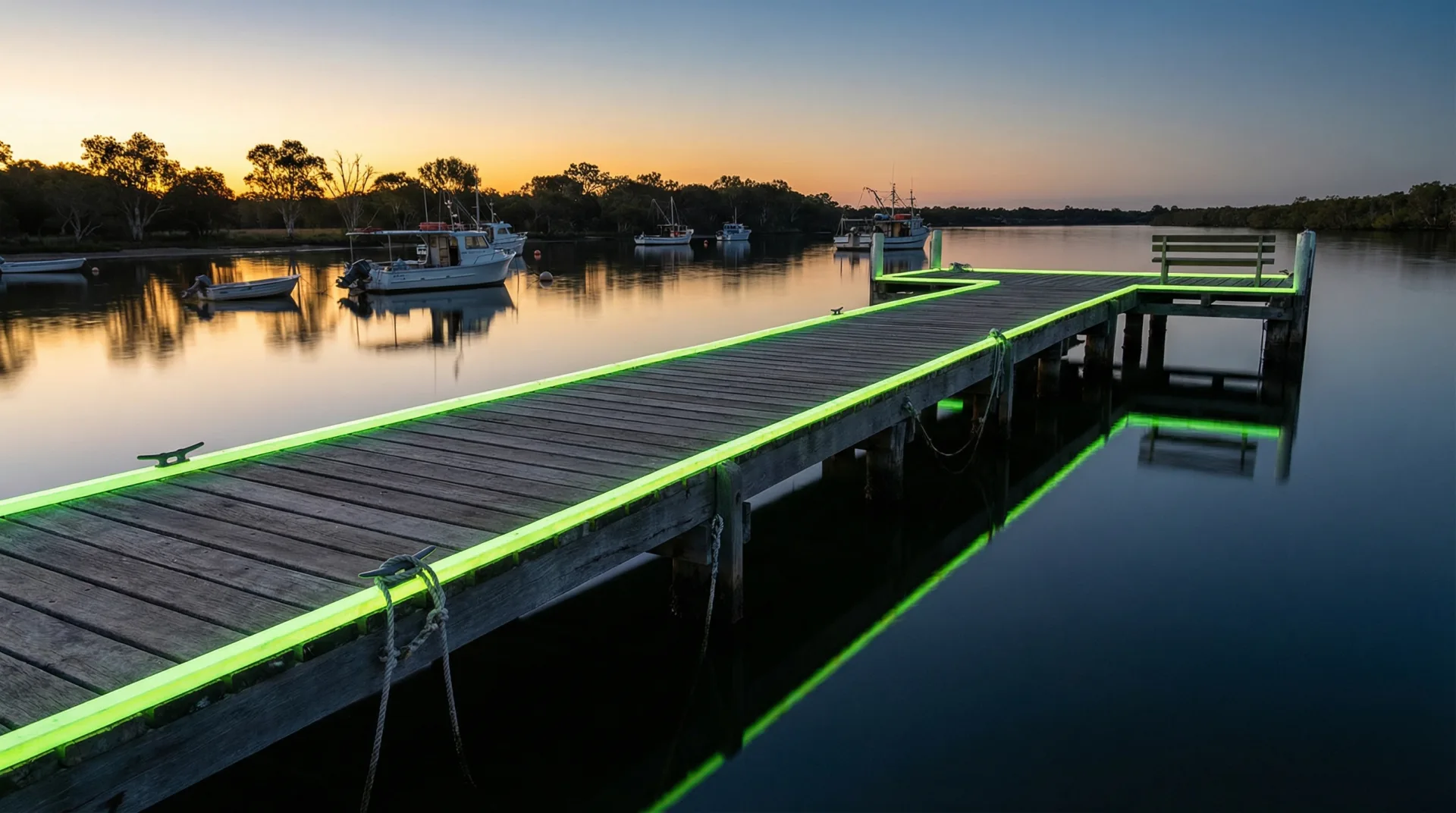
Photoluminescent edge marking provides safe passage along jetties without electricity
Why Marine Lighting Matters
Australia is a nation of boaters, fishers, and waterway lovers. Our coastline stretches over 34,000 kilometres, with thousands of jetties, boat ramps, and marinas serving recreational users. Proper lighting at these access points improves safety and usability after dark.
Traditional mains-powered lighting at waterfront locations presents challenges: running electrical cables over water is complex and expensive, saltwater environments corrode standard fixtures, and power outages during storms leave critical areas in darkness. Solar and photoluminescent solutions address these challenges with zero wiring and reliable operation.
Lighting Priorities for Marine Infrastructure
Jetties, boat ramps, and marina walkways share common hazards: wet surfaces, varying water levels, steep gradients, and proximity to deep water. Good lighting addresses visibility while respecting the marine environment and avoiding light pollution.
Key Areas Requiring Illumination
- Entry points from shore
- Full length walkway
- Edge/water boundary
- Mooring/tie-up points
- Vehicle approach area
- Ramp slope boundaries
- Water entry edge
- Waiting/staging zones
- Finger jetty paths
- Gate/security points
- Berth identification
- Service pedestals
- Fish cleaning stations
- Waste/recycling areas
- Parking connections
- Toilet/amenity access
Why Solar for Marine Environments
No Wiring Over Water
Solar eliminates the complexity and cost of running electrical cables along jetties or over water
Storm Resilience
Operates independently during power outages when safe navigation is most critical
Low Light Pollution
Directional, warm lighting minimises impact on marine life and maintains dark sky values
Marine-Grade Durability
IP65+ rated fixtures with corrosion-resistant housings withstand salt spray and weather
Photoluminescent Edge Marking
Photoluminescent markers offer a unique solution for marine environments. Products like Luminokrom absorb daylight and glow for 10+ hours after sunset—with no power, no wiring, and no maintenance.
- - Jetty edge delineation
- - Step and ramp boundaries
- - Mooring cleat locations
- - Pathway guidance
- - Works during power outages
- - Zero energy consumption
- - Multi-year service life with proper application
- - Visible in fog/mist
6 Tips for Marine Lighting Projects
Key Takeaways
- Jetty edges, boat ramp slopes, and walkway boundaries are critical lighting priorities
- Solar eliminates complex wiring over water and operates during storm-related outages
- Photoluminescent markers provide passive edge marking that works without power
- Marine-grade fixtures (IP65+, corrosion-resistant materials) withstand salt spray and weather exposure
- Use shielded, long-wavelength lighting to reduce wildlife impacts in sensitive areas
Marine-Suitable Lighting Solutions
Products for jetties, boat ramps, and waterfront infrastructure
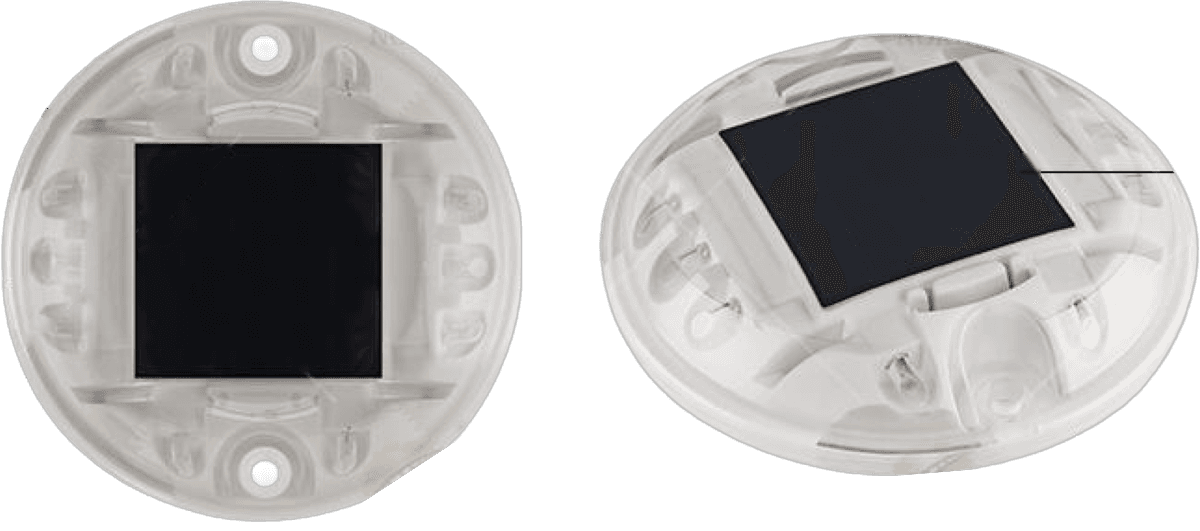
Solar Path Marker Studs
High-visibility solar path markers for safe navigation
$38.00AUD
Postage + GST included
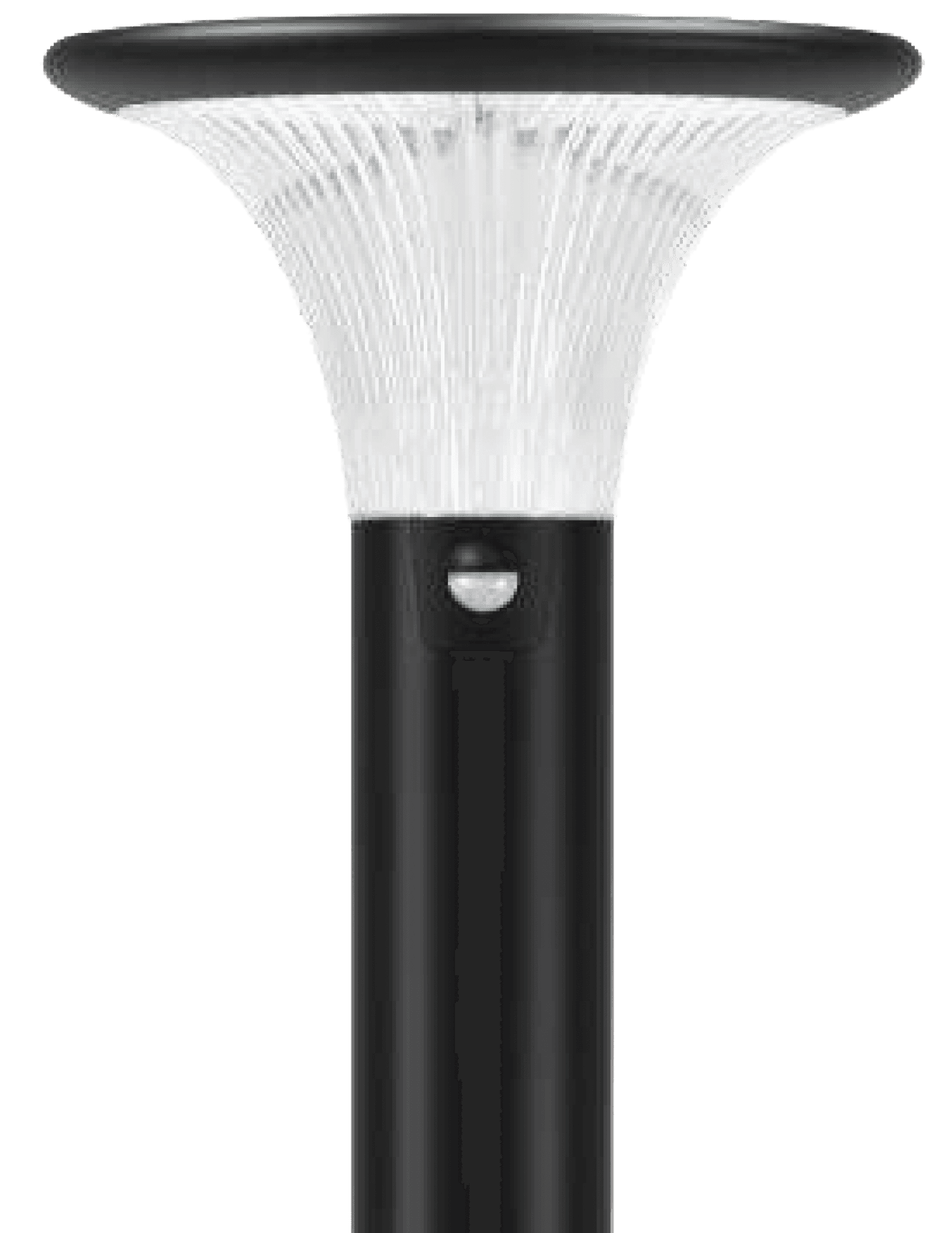
Luna Bollard
Smart solar bollard with PIR sensor and tri-color lighting
$88.50AUD
Delivery + GST included

LuminoKrom Path Paint
Photoluminescent path marking paint
Request quote
Sources & References
Light Your Waterfront Safely
IP65-rated solar lighting for jetties, boat ramps, and marinas. No mains power required in marine environments.
Related Articles
Continue exploring our solar lighting guides and resources