Solar vs Wired Pathway Lighting: Speed & Cost
Underground cabling costs $225-350 per metre. Compare solar pathway lighting installation speed, costs, and disruption.
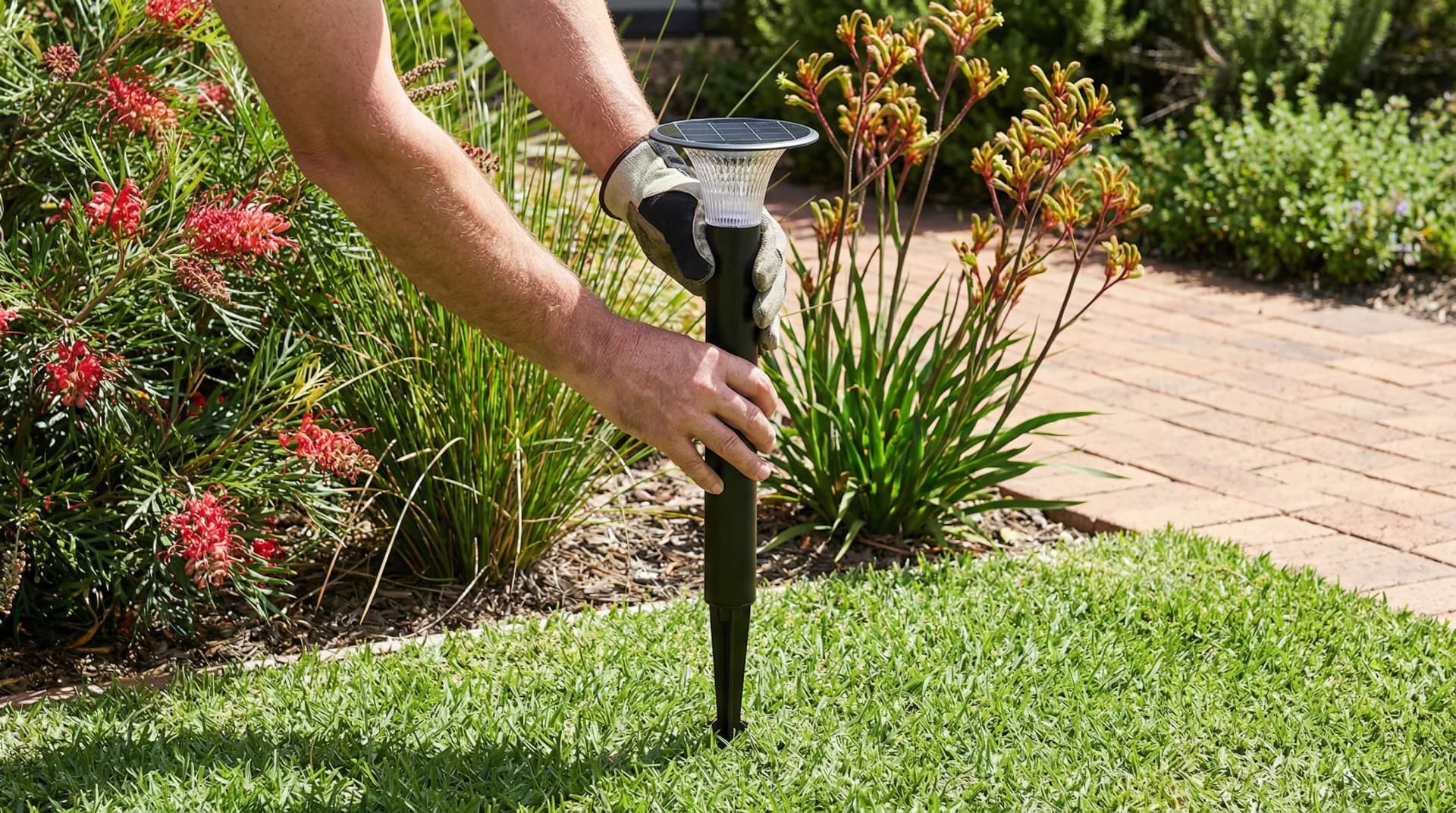
Solar pathway lights install without trenching, cabling, or electrician fees
The True Cost of Wired Pathway Lighting
When planning outdoor pathway lighting, the fixture price is often the smallest expense. The real costs lie underground—literally. Traditional wired lighting requires trenching, cabling, and licensed electrical work that dramatically inflate your total investment.
In Australia, underground electrical cabling costs $225-350 per metre, including trenching, conduit, cable, and installation. That 50-metre pathway from your house to the back fence? Budget $11,250 to $17,500 just for the electrical infrastructure—before you even buy a single light.
50m Pathway Lighting: Cost Comparison
Installation Time Comparison
Beyond cost, time is a major factor. Wired lighting installation involves multiple trades, inspections, and potential delays. Solar lighting can be operational the same day you receive it.
Installation Timeline Comparison
The Hidden Cost: Property Disruption
Trenching doesn't just cost money—it costs your garden. That 50-metre trench cuts through established lawns, disturbs root systems, and can damage irrigation or drainage you didn't know was there. Restoration adds time, cost, and uncertainty.
Property Impact Comparison
When Wired Lighting Still Makes Sense
Solar isn't always the answer. Consider wired lighting when:
- New construction: Trenching happens anyway during build
- Heavy shade: Areas with no direct sun won't charge solar effectively
- High-output needs: Commercial lighting requiring 1000+ lumens continuously
- Integrated systems: Smart home automation requiring wired controls
6 Tips for Solar Pathway Installation
Key Takeaways
- Underground electrical cabling costs $225-350 per metre—a 50m pathway means $11,000-17,500 in infrastructure alone
- Solar pathway lighting can install faster without trenching or electrical connection
- Trenching damages lawns, risks tree roots, and can cut through irrigation or drainage
- Solar lights have zero ongoing electricity costs; wired systems add to your power bill
- Project timing depends on contractors, inspections, and site access
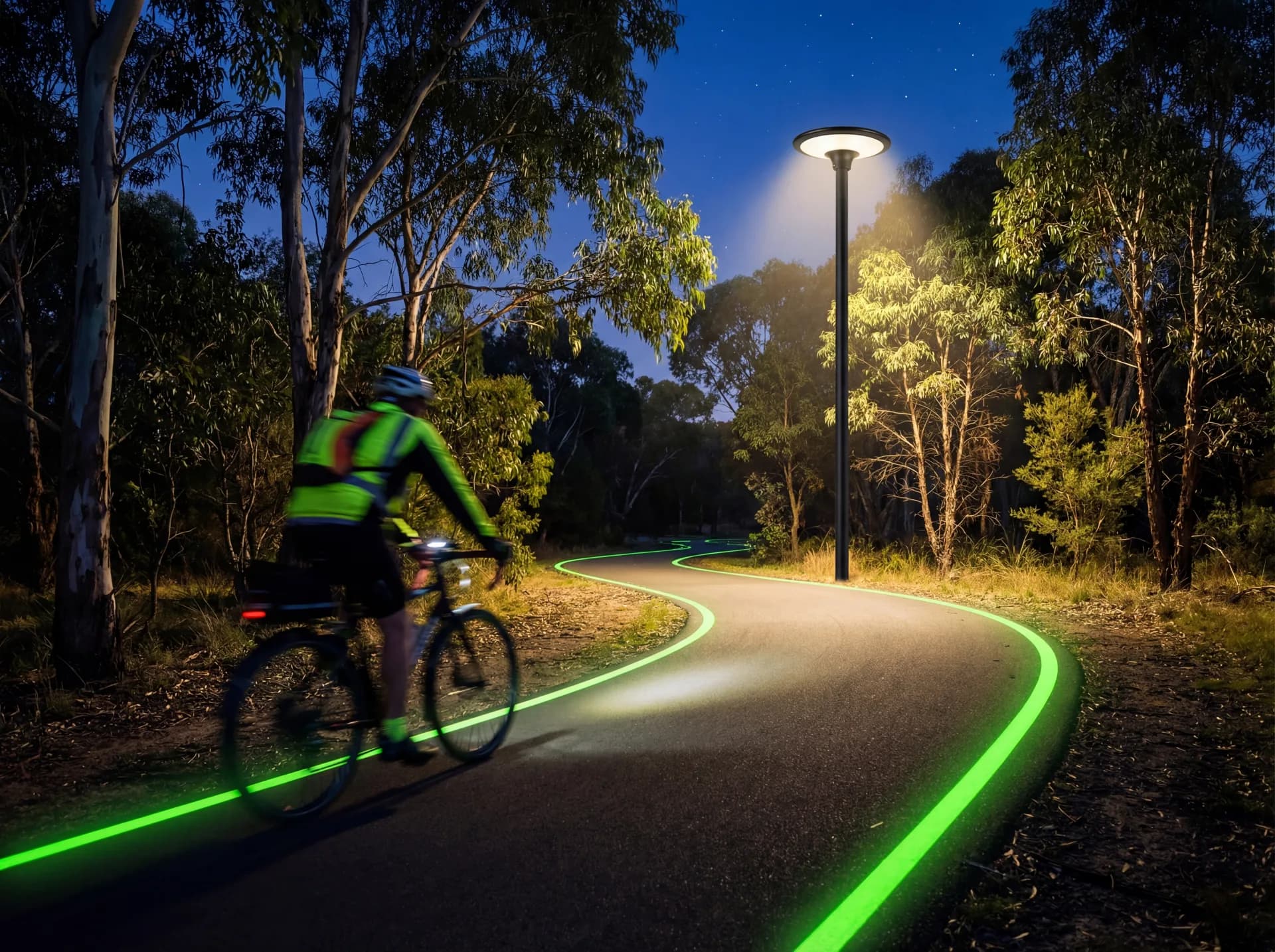
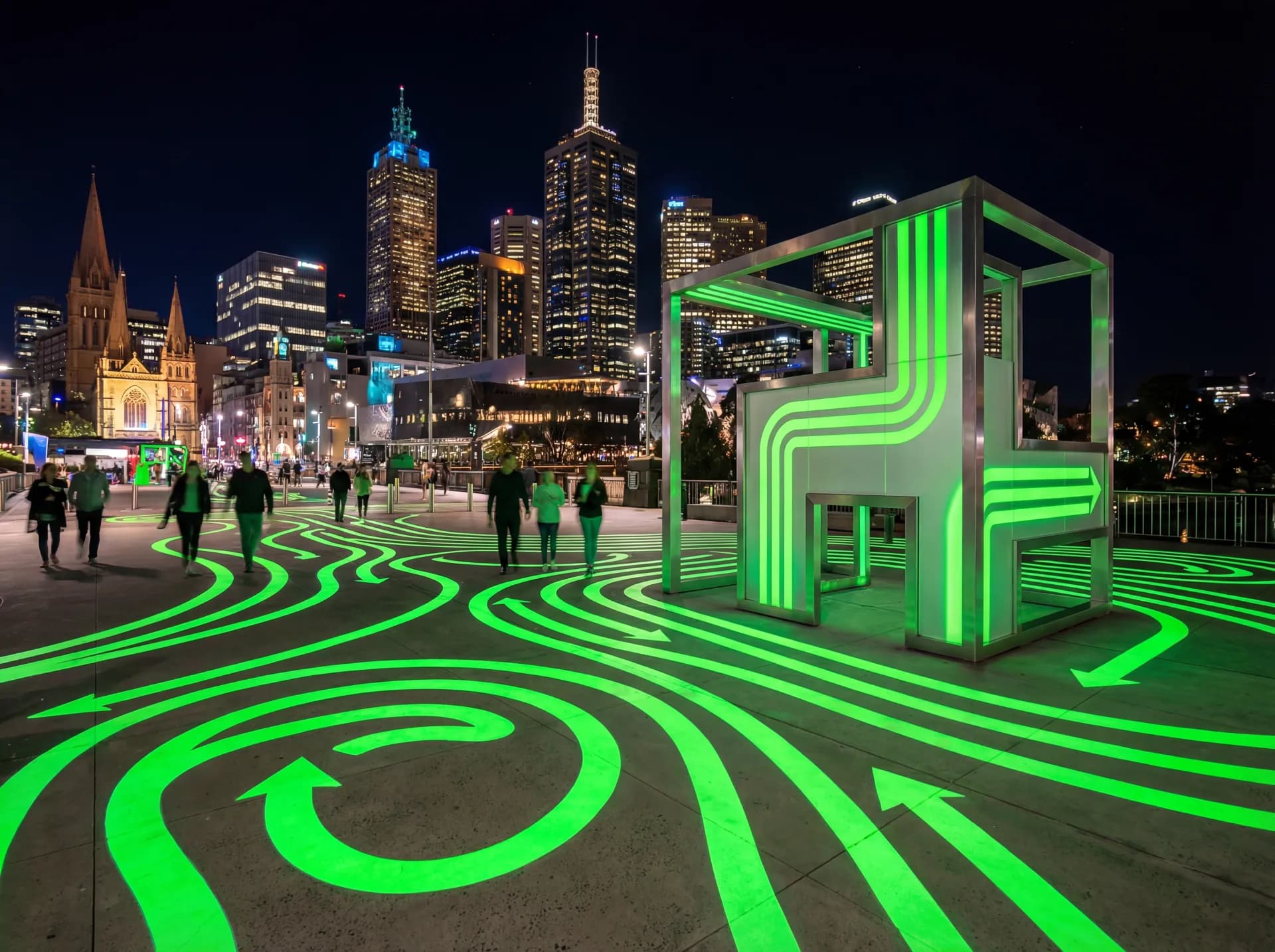
- Photoluminescent markers supplement solar lights for continuous edge marking
Solar Pathway Lighting Solutions
Install today with zero trenching or electrician costs
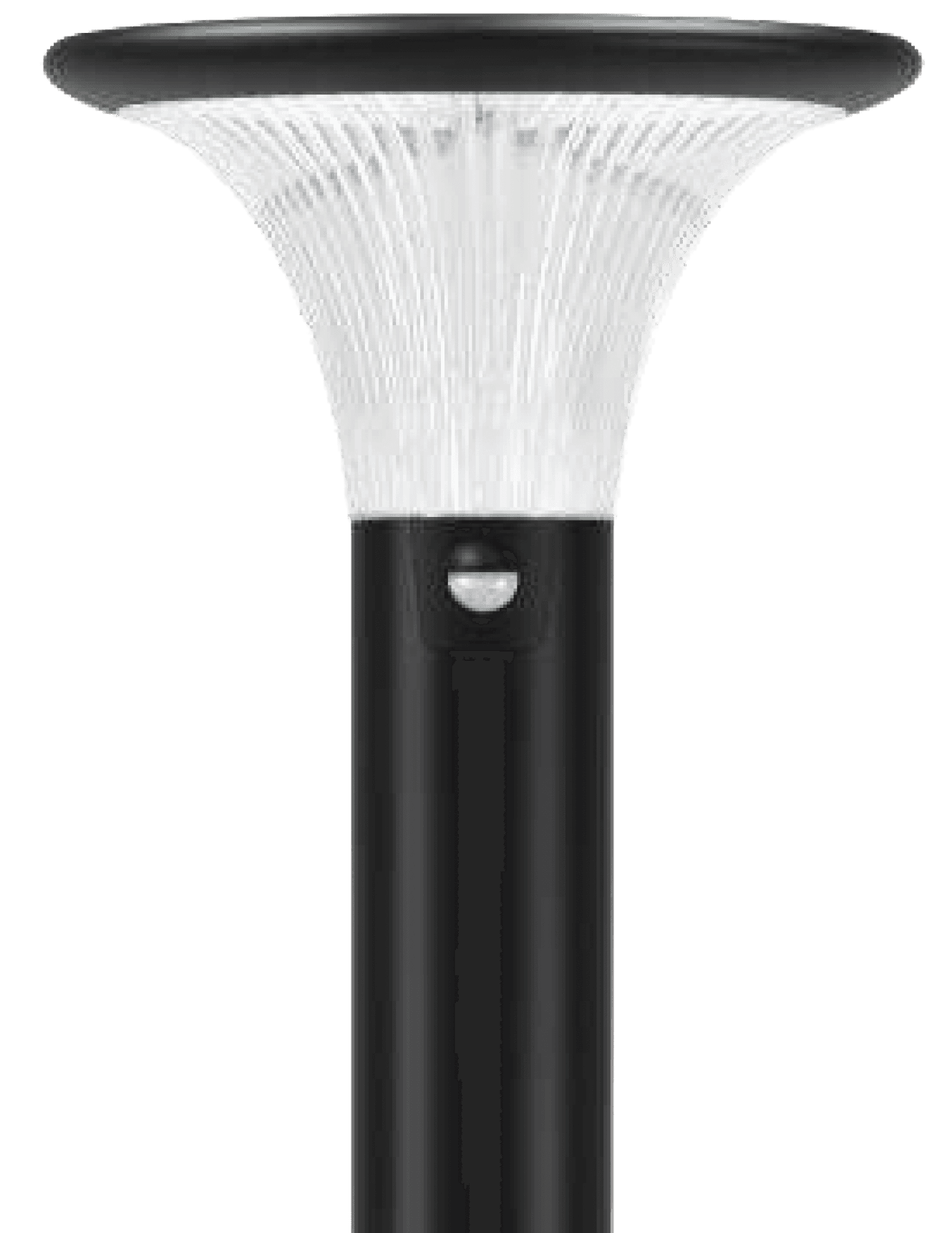
Luna Bollard
Smart solar bollard with PIR sensor and tri-color lighting
$88.50AUD
Delivery + GST included
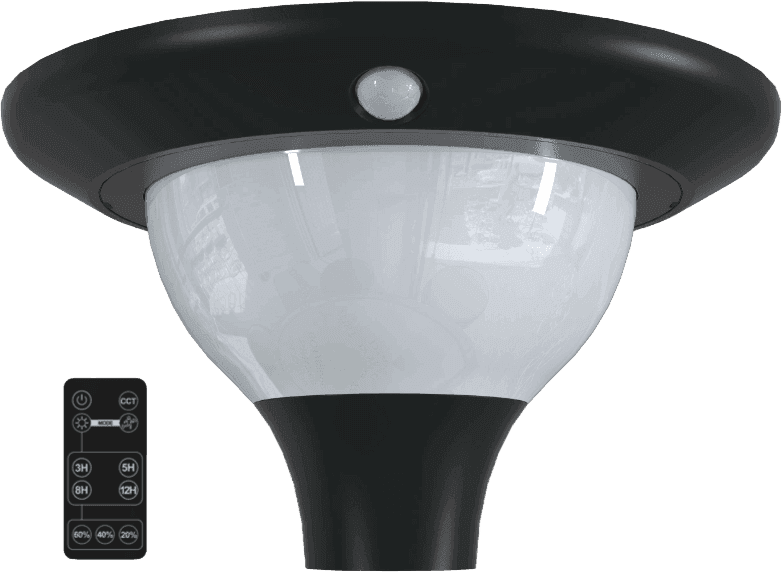
Dome Garden Light
Smart solar garden light with PIR sensor and remote control
$325.00AUD
Postage + GST included
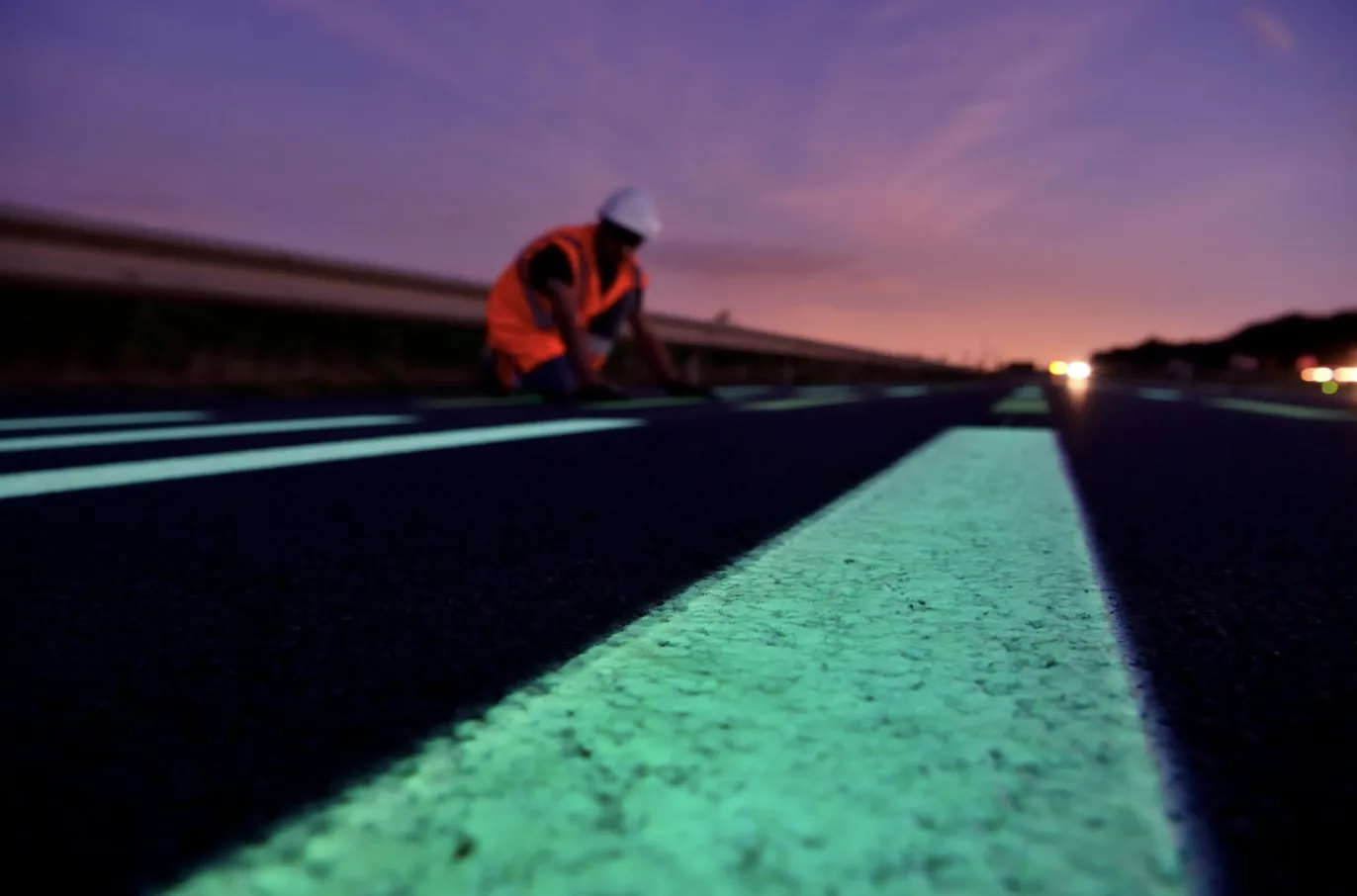
LuminoKrom Path Paint
Photoluminescent path marking paint
Request quote
Sources & References
Ready to Skip the Trenching?
Install pathway lighting without electricians, permits, or excavation. Australian stock with fast delivery.
Related Articles
Continue exploring our solar lighting guides and resources