2025-26 Australian Storm Season Outlook
The Bureau of Meteorology (BoM) seasonal outlook suggests a near-average cyclone season overall. With La Nina conditions confirmed by the US Climate Prediction Center and expected to persist into early 2026, Australians face increased risks of heavy rainfall, flooding, and storm-related power outages.
Recent seasons have shown that even near-average cyclone counts can produce high-impact events. For mainland Australia, this translates to heightened risks for coastal communities from the Kimberley to Far North Queensland, and increasingly for southeast Queensland and northern NSW.
The key message from emergency services is clear: prepare now, not when the warning drops. And one of the most overlooked aspects of storm preparedness is maintaining illumination when the grid fails.
Recent Australian Storm Events: A Wake-Up Call
Recent storm events have demonstrated just how vulnerable Australian communities are to power outages. Here's what we've experienced in the past 18 months:
Cyclone Alfred
(March 2025)QLD & NSW
First cyclone to hit Brisbane since 1974. Over 316,000 properties at peak in southeast Queensland alone, with total affected exceeding 500,000 across QLD and NSW.
Victorian Storms
(February 2024)Victoria
Over 500,000 electricity customers lost power. Major transmission and distribution damage caused extended outages in some areas.
Tasmanian Severe Weather
(September 2024)Tasmania
Severe weather caused widespread outages and recovery operations across the state.
Multi-State Thunderstorms
(October 2024)VIC, NSW, SA
Severe thunderstorms caused localized power outages and damage across multiple states.
Cyclone Alfred: Australia's Wake-Up Call
Cyclone Alfred in March 2025 was a watershed moment for Australian storm preparedness. As the first tropical cyclone to hit Brisbane since 1974, it caught many southeast Queenslanders and northern NSW residents off guard.
At peak, over 316,000 properties were without electricity in southeast Queensland alone, with the total number affected exceeding 500,000 across both states.
The Insurance Council of Australia reported tens of thousands of claims within days of the event. Major flooding occurred across multiple river catchments, and significant coastal erosion affected beaches across the NSW and QLD coastline.
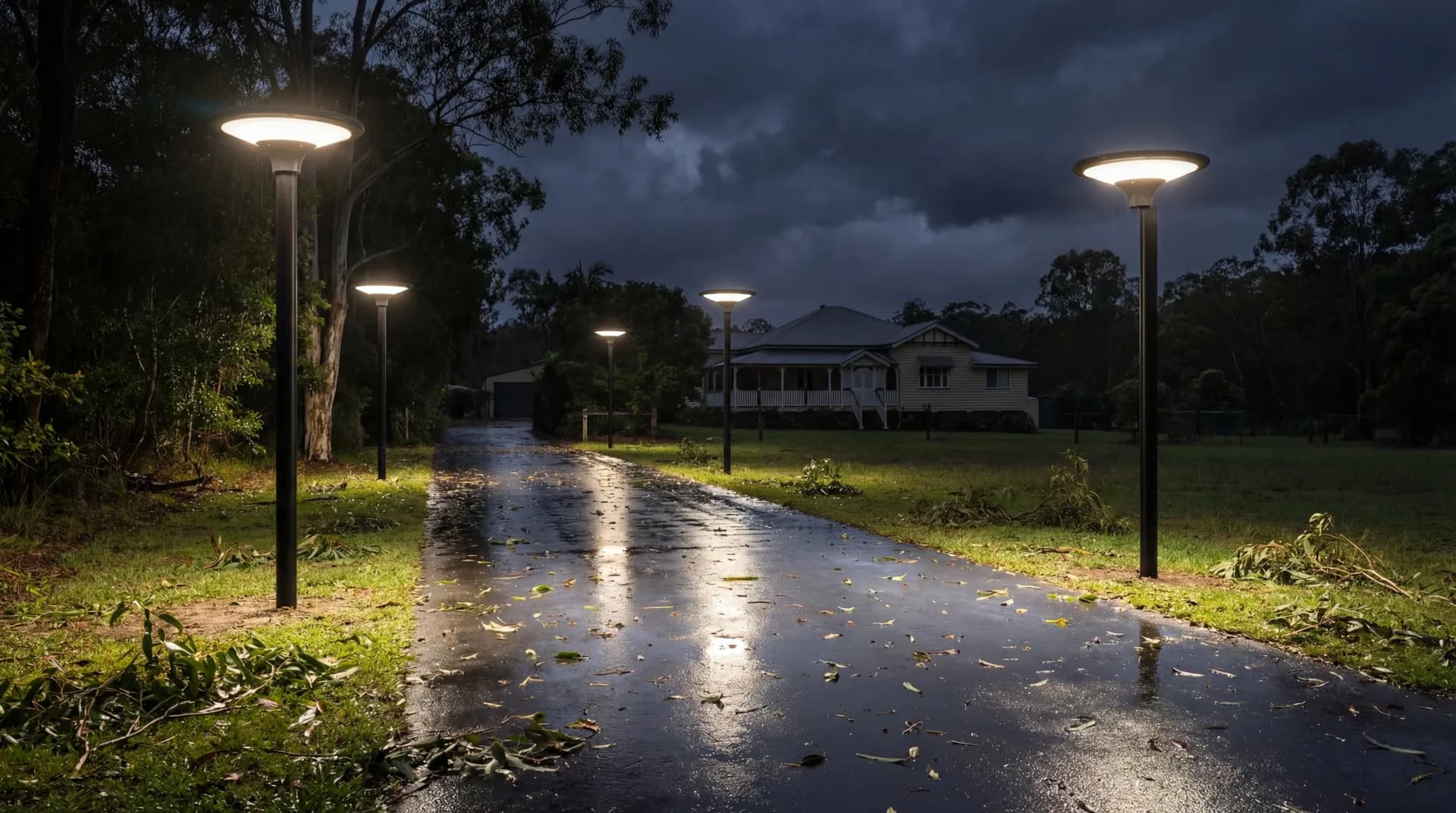
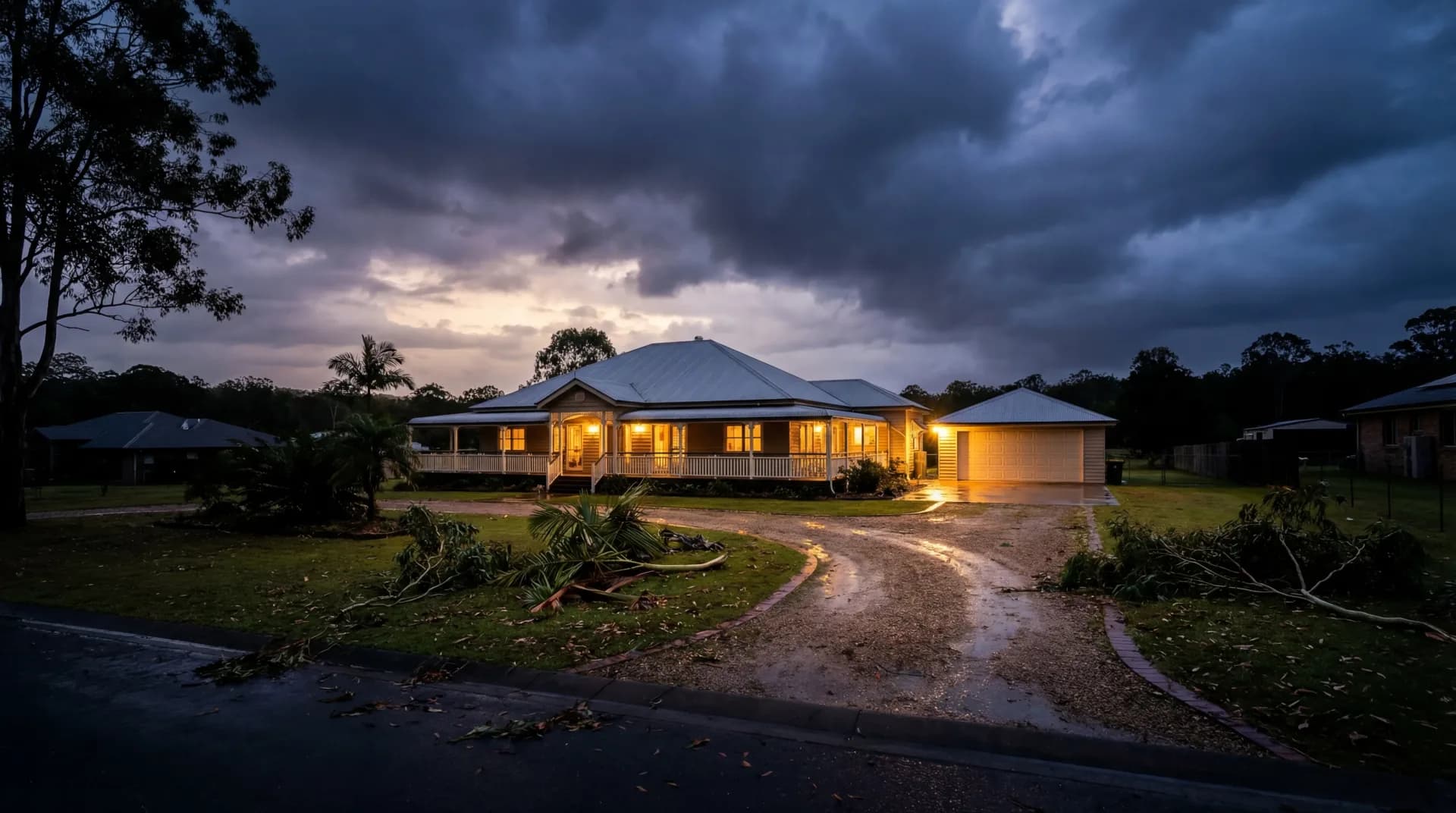
Grid-independent solar lighting keeps your property illuminated when neighbours are in darkness
The Problem With Power Outages
When the grid goes down, most outdoor lighting fails instantly. Security lights, garden lights, and pathway illumination — all gone. In urban and suburban settings, the darkness is immediate and complete. This creates real safety issues:
- Trip and fall hazards on pathways, steps and driveways — particularly dangerous for elderly residents
- Difficulty locating emergency supplies in unfamiliar darkness
- Reduced security — dark properties are more vulnerable to opportunistic crime
- Anxiety and stress for children, elderly family members, and those with medical conditions
- Navigation difficulties if evacuation is required at night
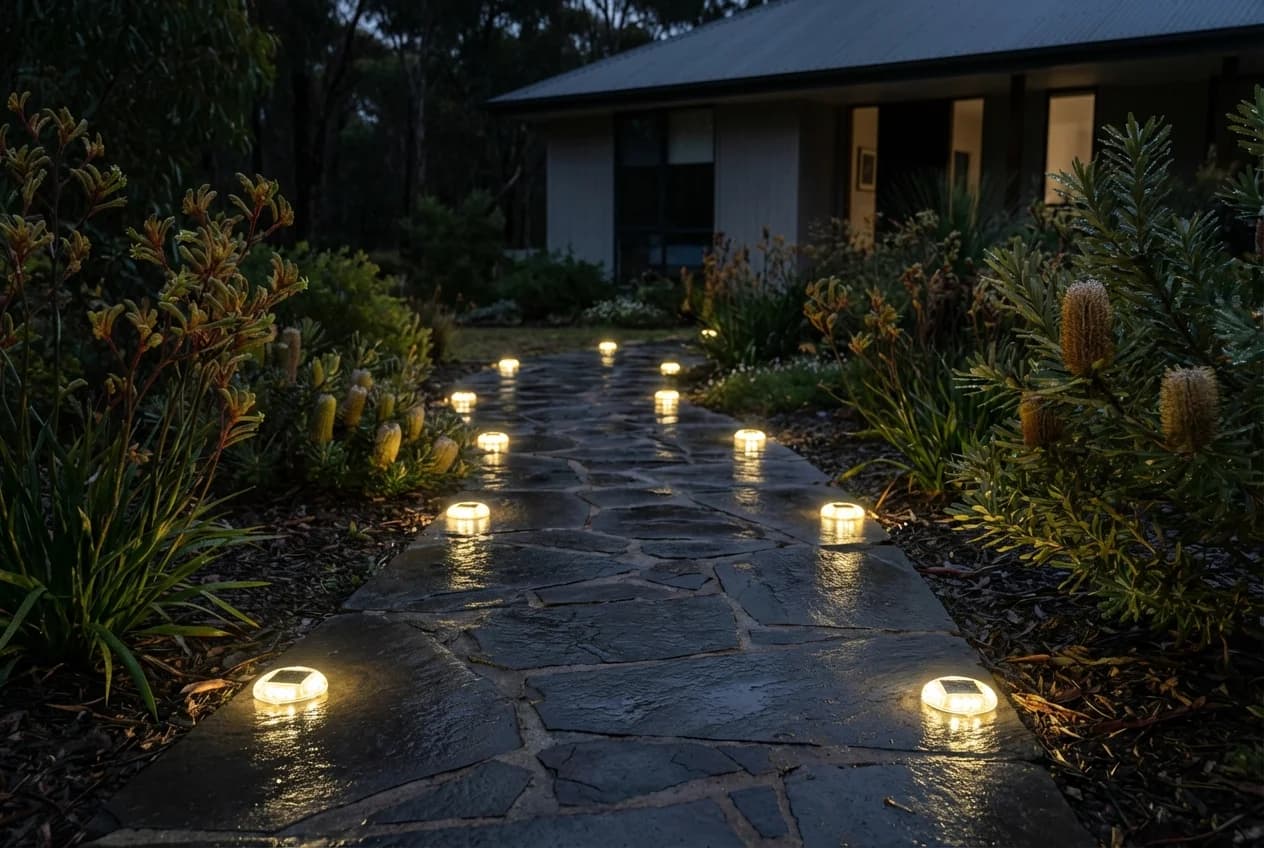
Solar path markers maintain safe navigation when grid power fails
Why Solar Lighting Is Your Best Storm Backup
Grid-independent solar lighting solves the fundamental problem of storm-related darkness. Unlike torches that run out of batteries, generators that need fuel and manual start-up, or mains-powered emergency lights that fail when you need them most, quality solar lights operate automatically and independently.
Works During Outages
Solar lights have internal batteries that provide illumination even when the grid is down — no fuel, no manual start-up.
Multi-night Autonomy
Quality solar lights store enough power to operate for multiple nights without sun, critical during extended storm events.
Pathway Safety
Illuminated pathways prevent trips and falls when navigating your property in the dark — especially important for elderly residents.
Zero Setup Required
Unlike generators that need fuel and maintenance, solar lights work automatically with no intervention required.
Even after several cloudy days — common during storm events — quality solar lights with multi-night autonomy can continue operating. This reliability means you're not scrambling for batteries at 2am while checking on elderly neighbours or trying to find the torch your kids left in the backyard.
For Australian conditions specifically, solar lights are well-suited to our high average solar irradiance. Even during La Nina years with increased cloud cover, there's typically enough ambient light during the day to maintain adequate charge for overnight operation.
Your Australian Storm Preparedness Checklist
The SES and emergency services recommend having supplies for at least 3 days of self-sufficiency. Here's a comprehensive checklist based on Australian emergency management guidelines:
Emergency Lighting
- Torches with fresh batteries in accessible locations
- Solar pathway lights for outdoor illumination
- Battery-powered lanterns for indoor use
- Glow sticks for children and backup
- Solar area light for driveway/yard coverage
Power Backup
- Portable power station or generator
- Car phone charger
- Solar phone charger
- Fully charged power banks
- Fuel stored safely for generator (if applicable)
Safety Essentials
- First aid kit with current medications
- Battery-powered or wind-up radio (ABC Local Radio for emergency broadcasts)
- Cash (ATMs may be offline)
- Important documents in waterproof bag
- Document home contents with photos/video before storm season (for insurance claims)
- Download Emergency+ app (shows your location for 000)
- SES contact number: 132 500
- Save your electricity provider outage number (Energex: 13 62 62, Ausgrid: 13 13 88)
Food & Water
- 3+ days of drinking water (3L per person/day)
- Non-perishable food supply
- Manual can opener
- Cooler with ice packs for medications
- Pet food and water if applicable
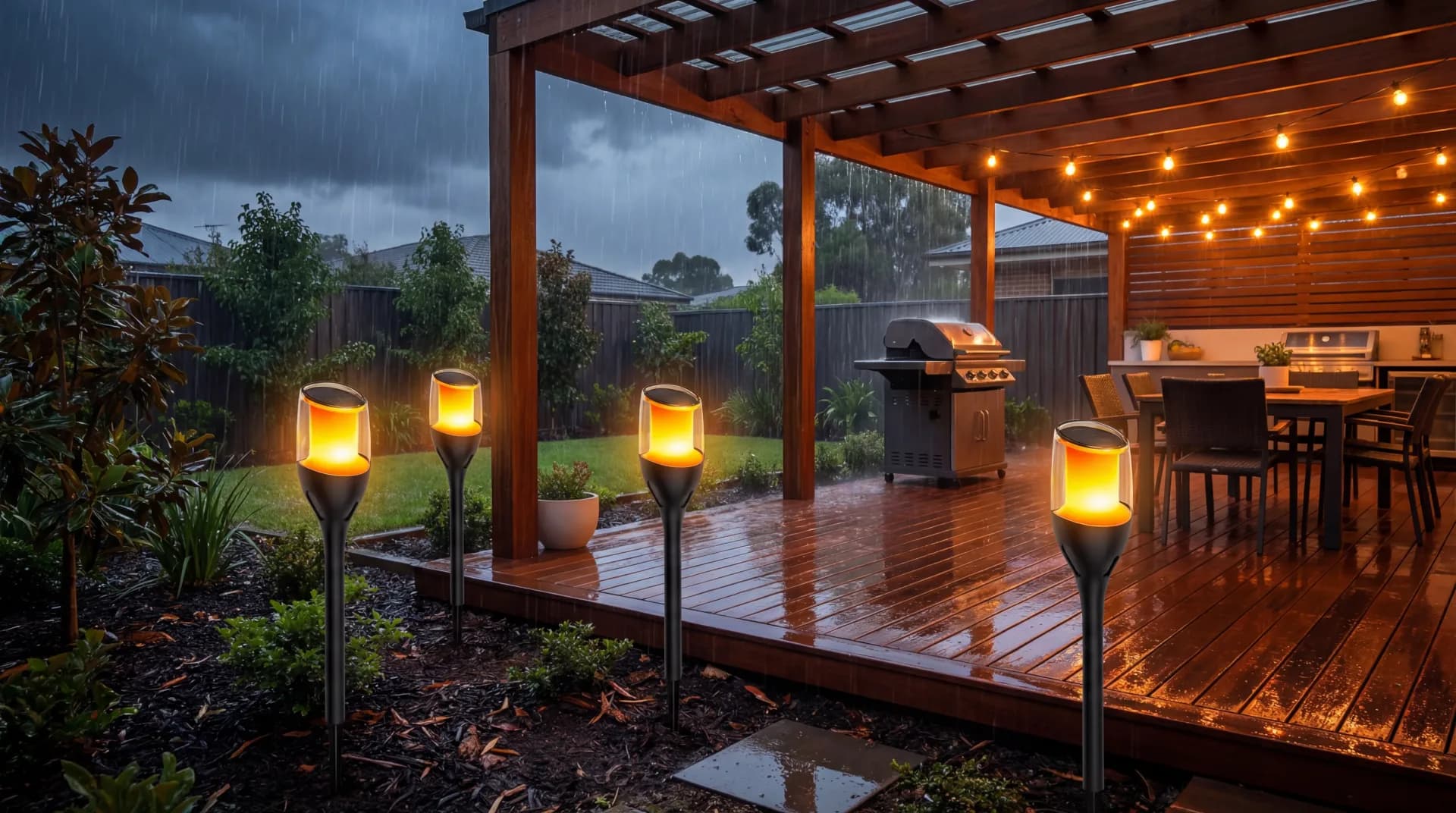
Solar flame lights create cosy ambience even during power outages
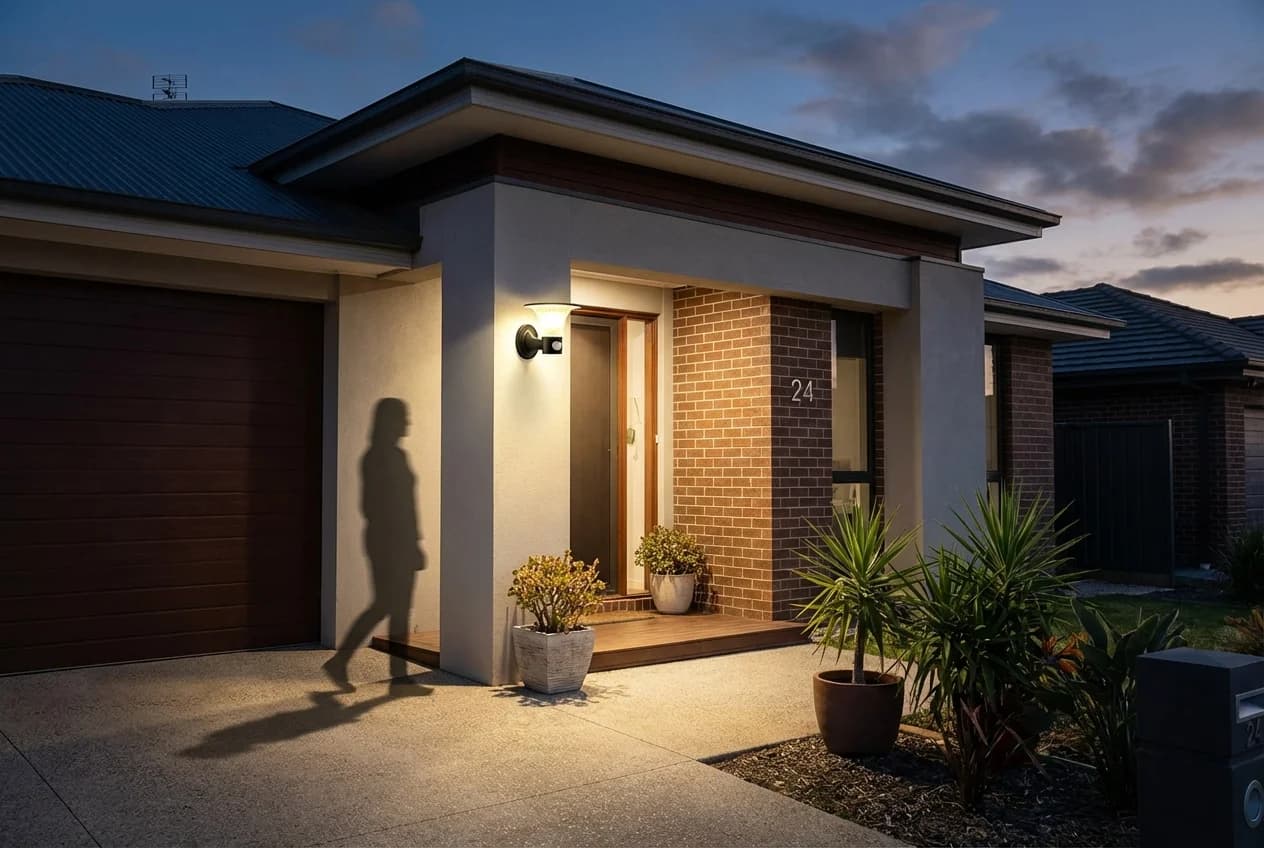
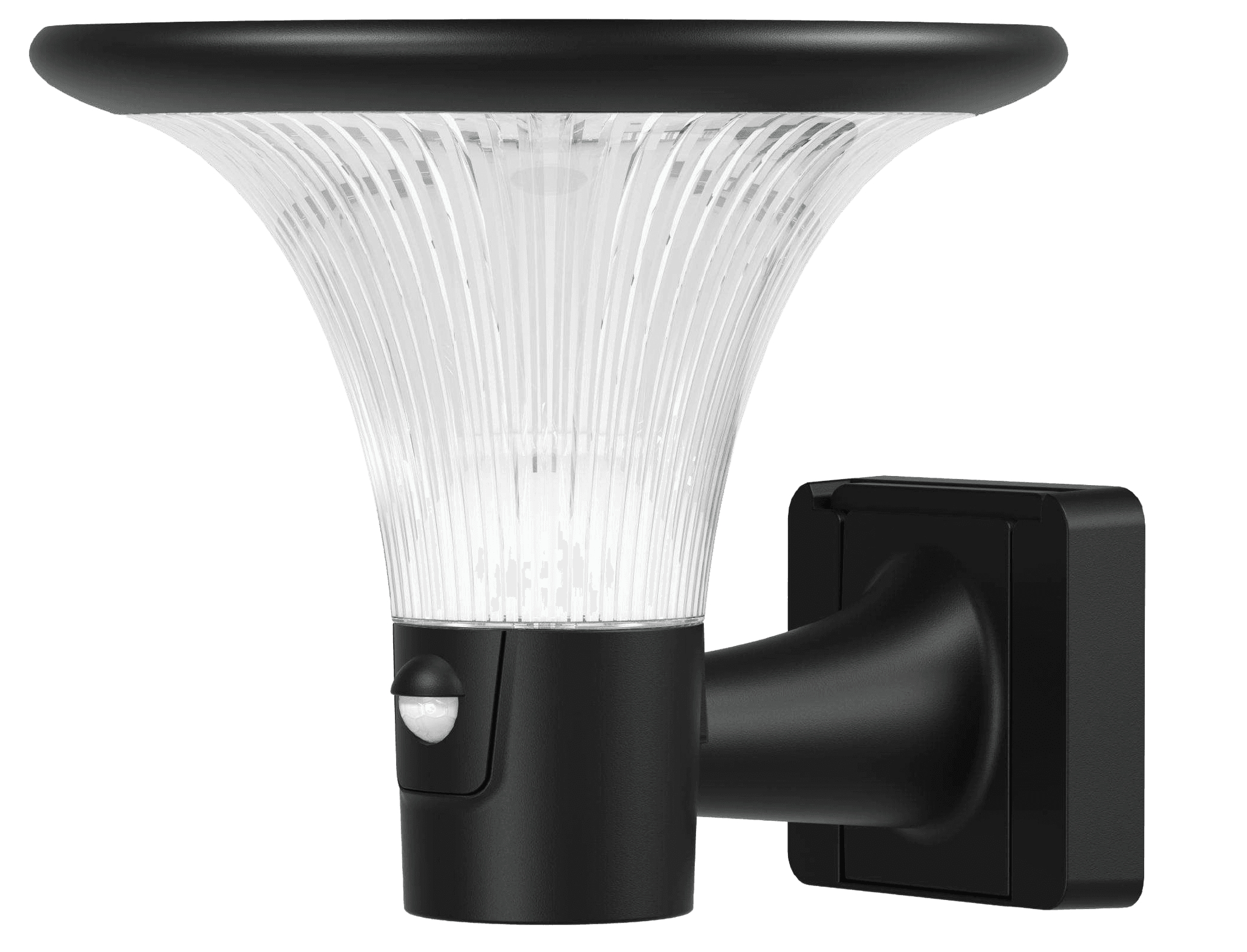
Motion-activated solar wall lights maintain entry security during outages
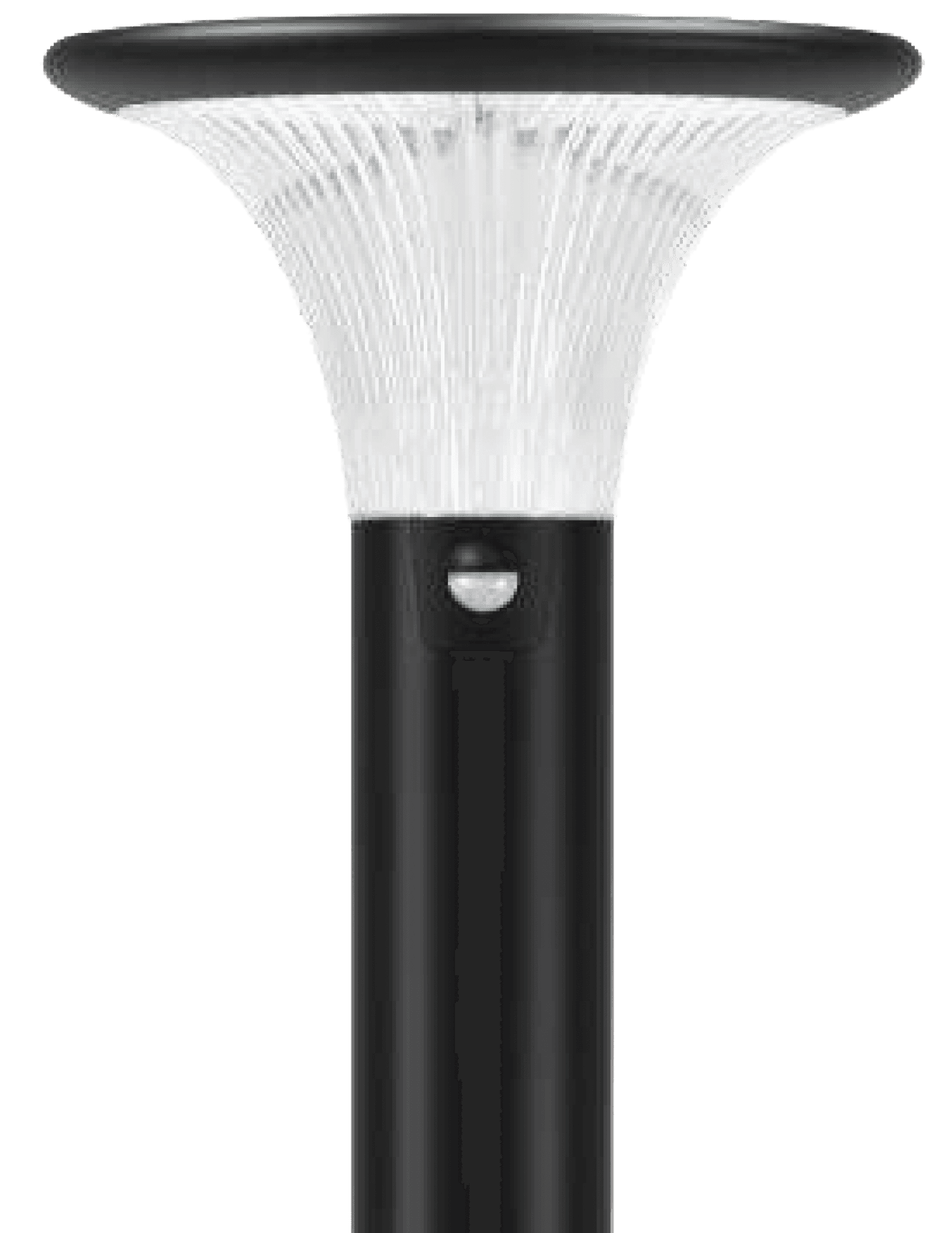
Recommended Storm-Proof Solar Lights
These Australian-stocked solar lights are designed for reliability during storm events. All feature IP65+ weather ratings suitable for Australian conditions.

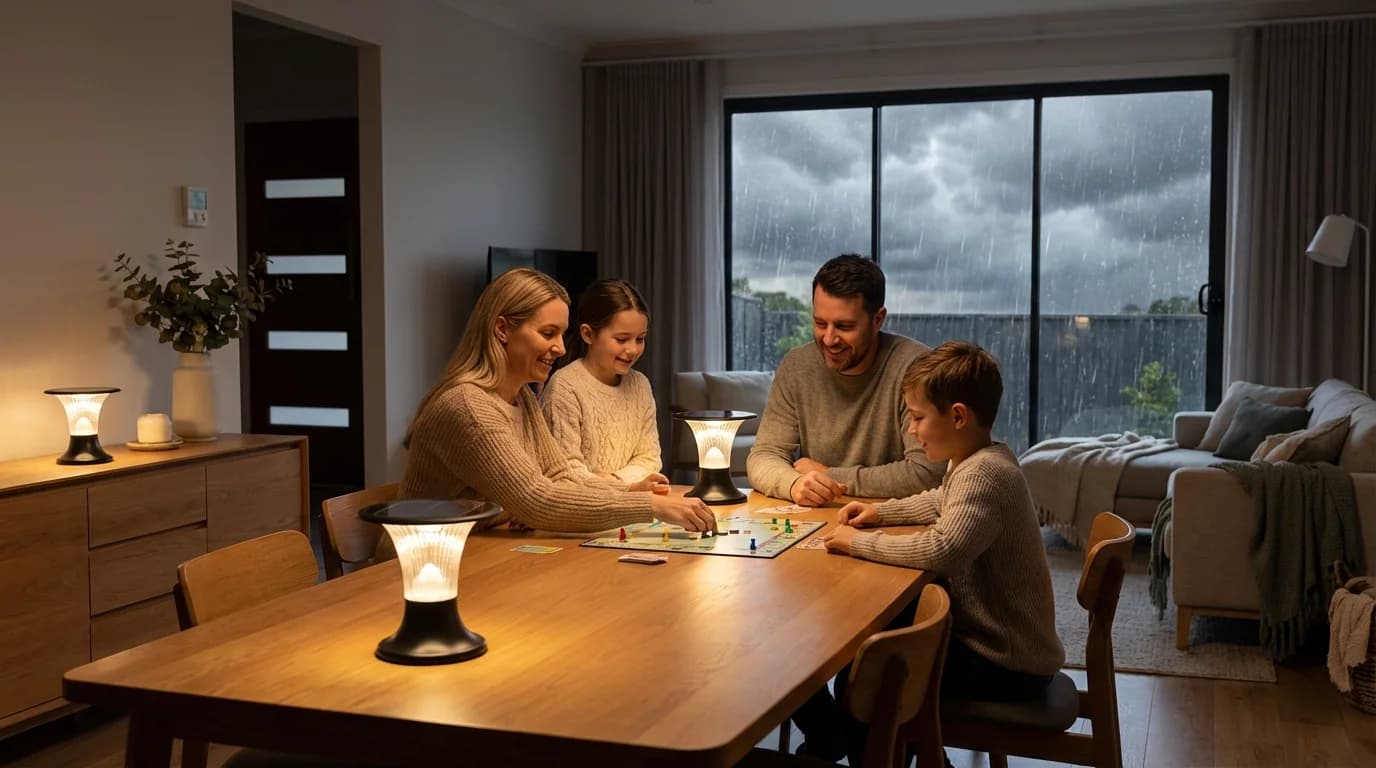
Solar lights double as portable indoor lanterns during power outages — turning storm nights into cosy family time
Final Tips for Australian Storm Season 2026
- 1Install solar lights now — don't wait for the first storm warning. They need a few days of sun to fully charge, and you don't want to be installing them in the rain.
- 2Position strategically — prioritise main pathways, entry points, steps, and the route to your meter box or emergency supplies.
- 3Clean panels before storm season — dust, pollen and debris reduce charging efficiency. A quick wipe with a damp cloth makes a significant difference.
- 4Test your setup — switch off your outdoor circuit breaker for one evening to simulate an outage and identify any dark spots.
- 5Know your local emergency contacts — SES: 132 500, Emergency: 000, and save your local energy provider's outage reporting number.
- 6Monitor BOM warnings — download the BOM Weather app and enable notifications for severe weather warnings in your area.
- 7Download the Emergency+ app — Australia's official emergency app displays your location so you can read coordinates or an address to 000 call-takers. Essential when you need help finding your exact location.